Ask An Archivist
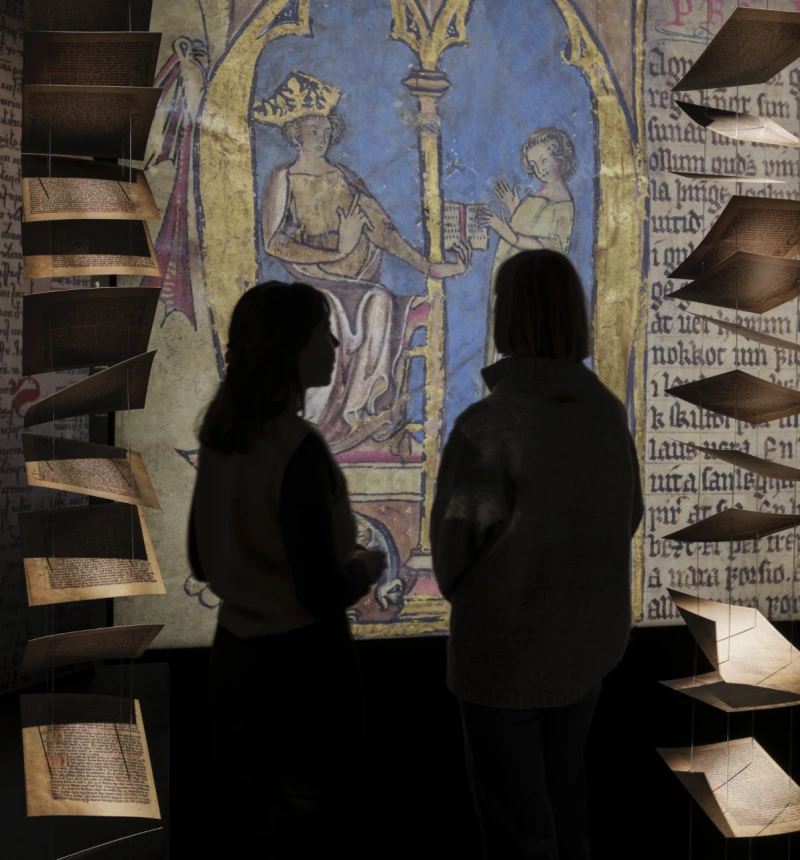
Tim Crumplin is the Business Archivist for the Shoemakers Museum and recently worked with Nissen Richards Studio on the design of the permanent exhibition design, interpretation and wayfinding for this brand new Museum in Street. A Museum for Now caught up with him recently to ask about his role and the ongoing relationship between the archivist and the contemporary museum.
How would you define the role of an archivist?
Essentially, as an information professional my role is to appraise, acquire, organise and preserve material of significance, to make it accessible, and maintain a service for the benefit of users.
What does it mean to be the Business Archivist at the Shoemakers Museum specifically?
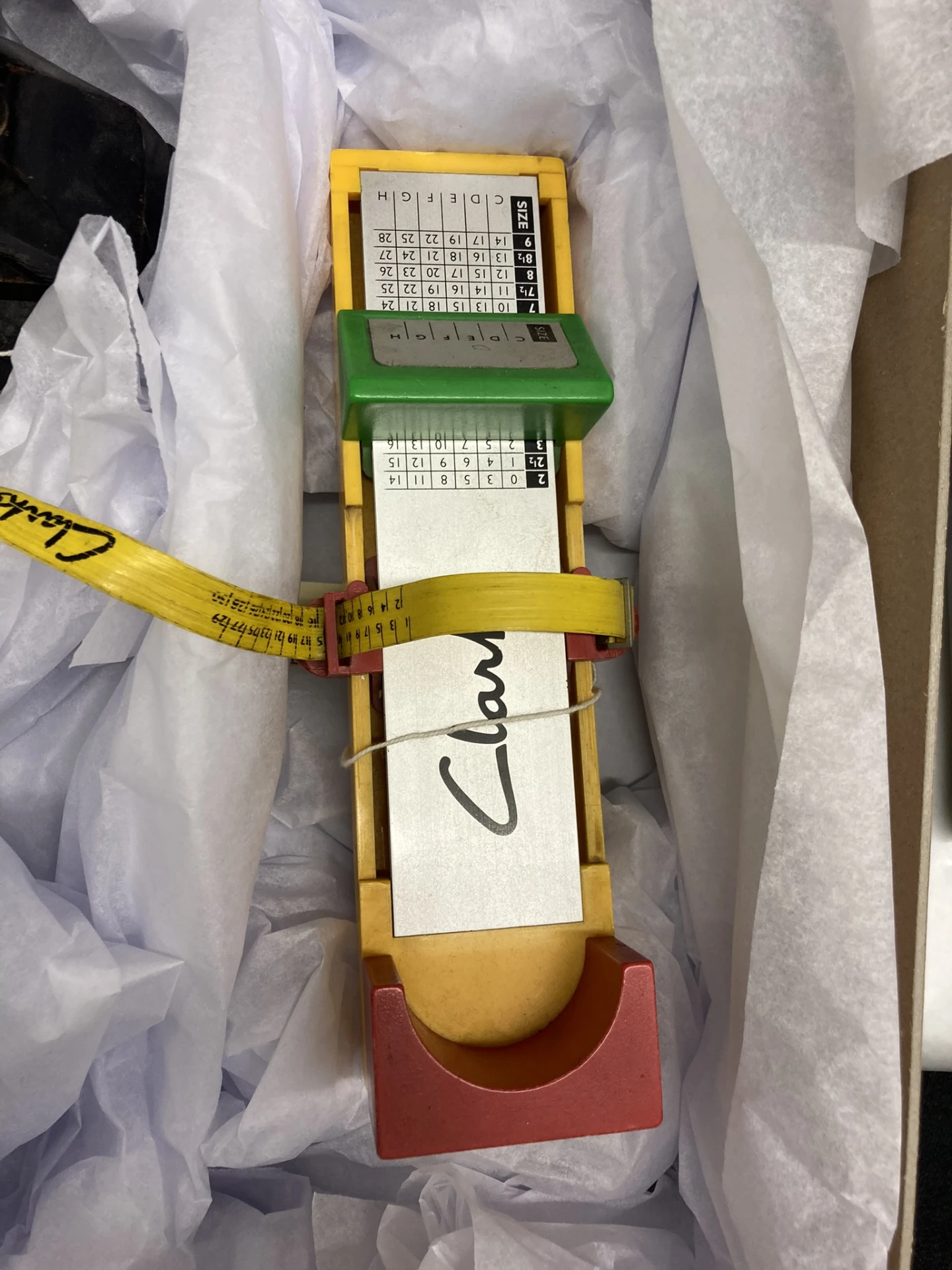
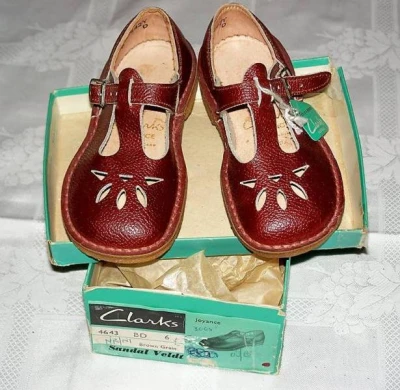
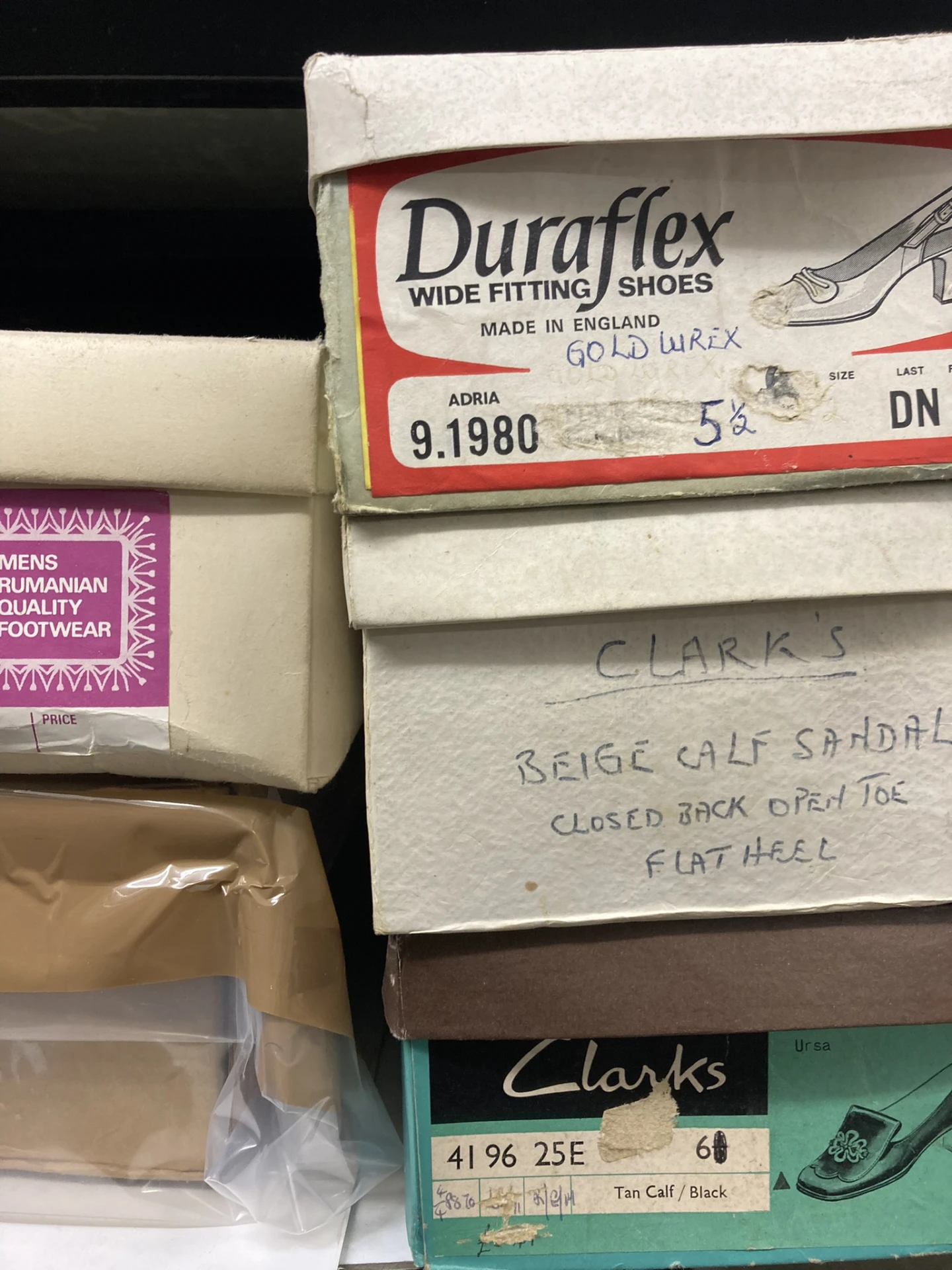
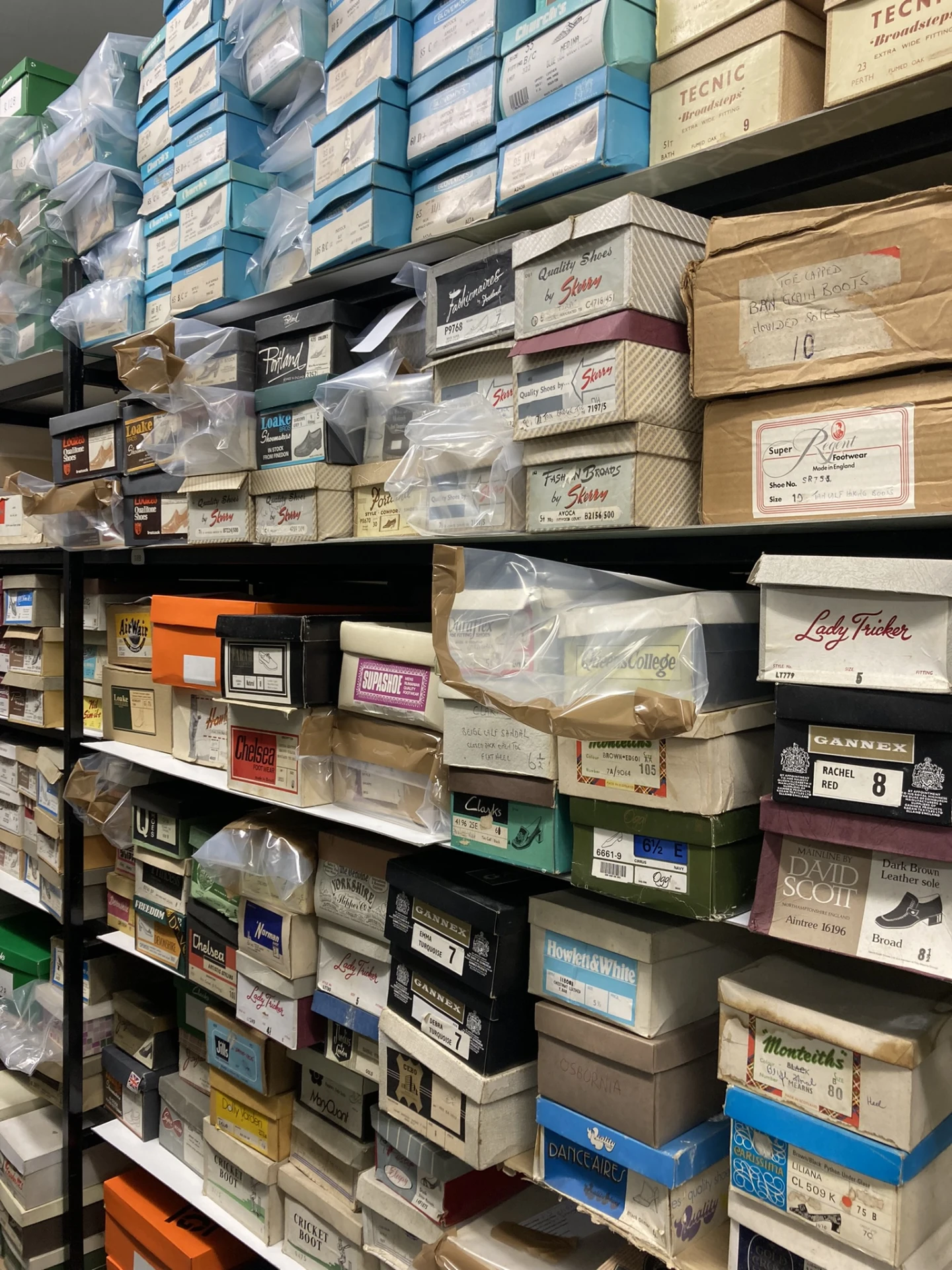
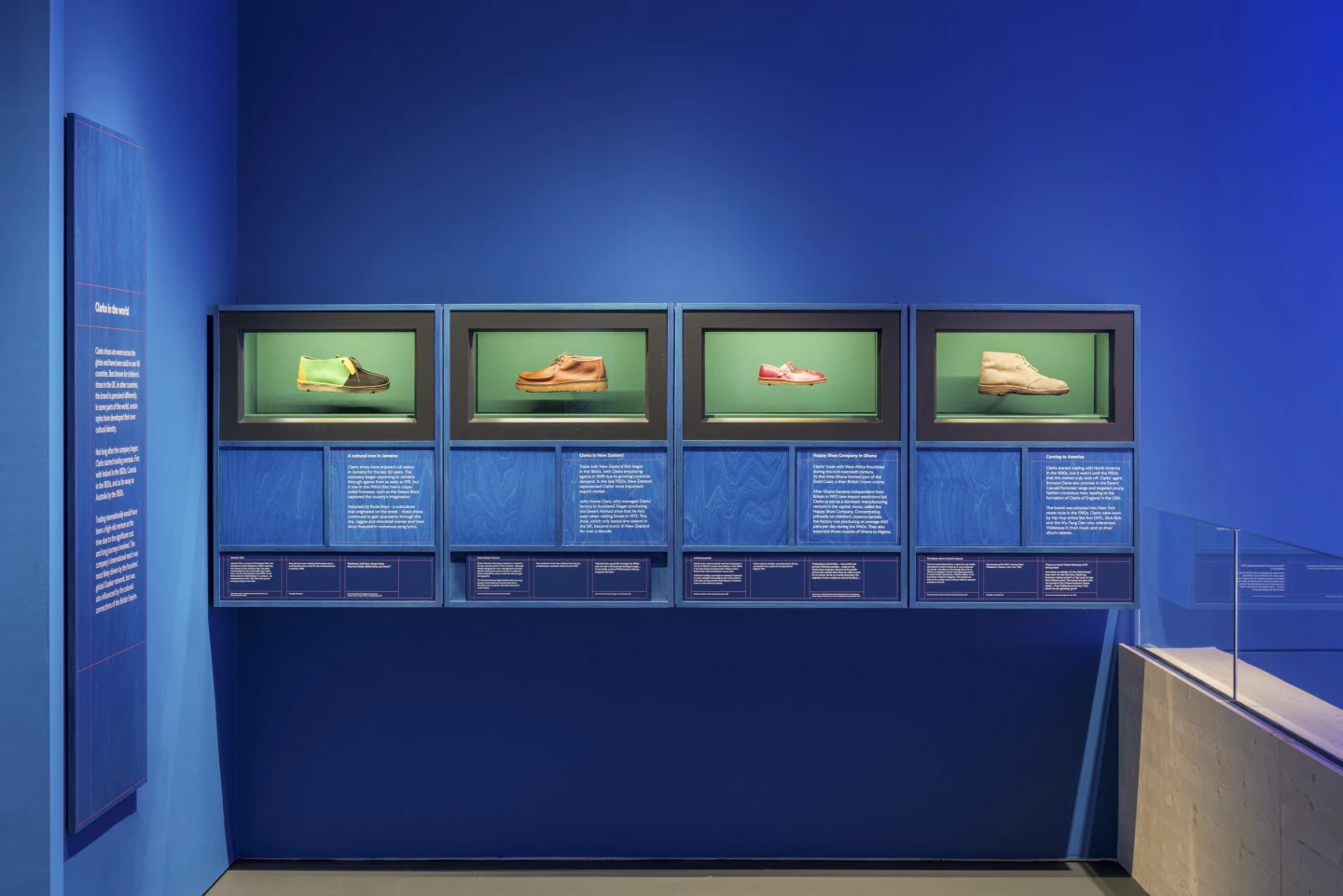
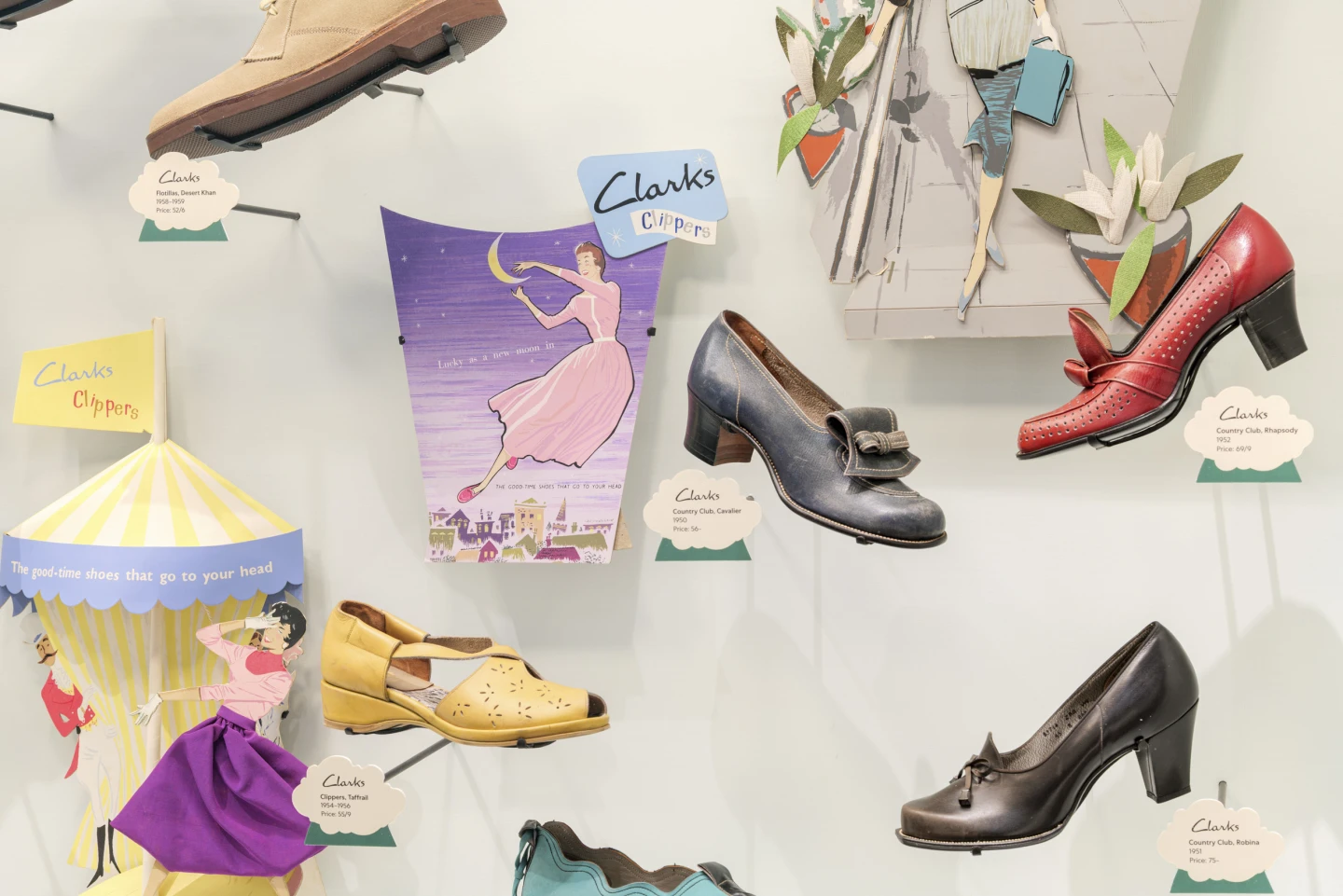
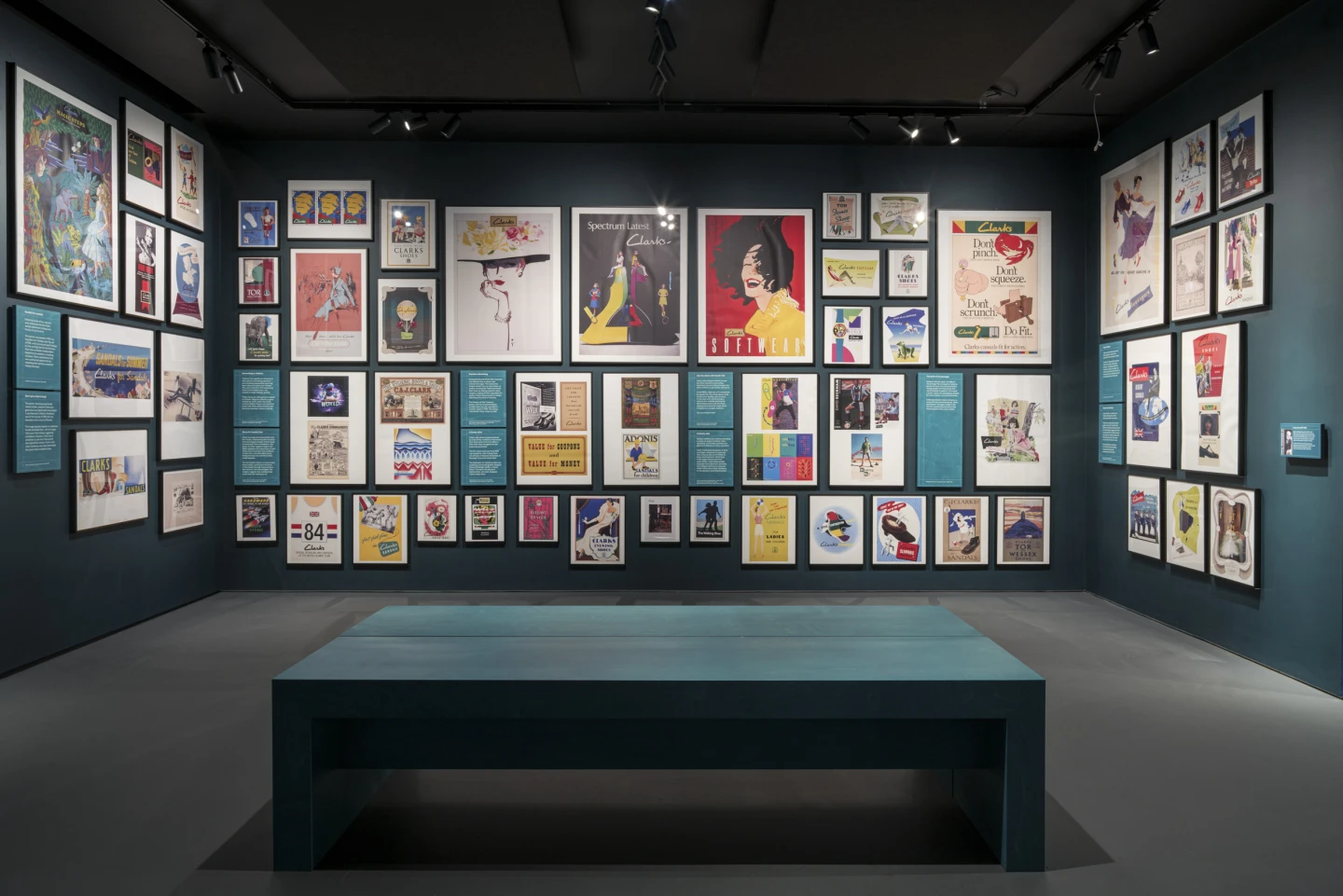
I’m a Business Archivist employed by the Alfred Gillett Trust's Shoemakers Museum, which serves Clarks as one of its stakeholders. The Trust owns and is custodian of the historic collection of material relating to C.&J. Clark. This comprises 25,000 items of footwear, Clarks catalogues that date from the 1840s; a Point-of-Sale collection from the same era and beyond; 500 shoemaking machines and also includes a business archive spanning thousands of boxes containing things like reports and accounts, internal memoranda, marketing campaigns, strategic, and so on.
Chiefly, we maintain the collection and make it accessible. It’s one of the most comprehensive collections serving a single brand. We act as an institutional memory for the business, enabling it to draw upon its origins, significance and evolution and in so doing provide clarity for the brand culture and values that allow it to build authenticity and trust with consumers.
This has become increasingly important in my time. With a global marketplace, the archive gives opportunity for better brand distinction, product differentiation and premium price pointing. Using our knowledge of the collections, one of the biggest roles of a business archivist is to support marketing campaigns with material, using it to make design and product contributions, authenticate reissued product, provide historical references for new products, and act as a resource for concept development and innovation.
With a history as rich as Clarks, we can use our collection to position the brand in a broader cultural history, something illustrated with the building of Shoemakers Museum. Although not its only purpose, as a public platform, the Museum has enabled the business archive to be turned into a visitor experience, to deepen consumer engagement with the history of the brand.
How did you arrive at this role? What was your journey?
My journey wasn’t the most conventional, and I’m probably an archivist more by default than judgement. I’d done a PhD. in Economic and Business History and came to Street in 2004 to complete postdoctoral research on the business history of Clarks. Conventionally, that would most likely have led to a career in academia, but for somebody passing through I became increasingly committed to the collection, the people and the place. The contract was short-term, but I conspired to stay, and it quickly became clear to me that if I’d any future here, and it was far from guaranteed, that I was going to need to qualify as an Archivist. First and foremost, I love my business history, and Clarks was an international and multifaceted brand with family and religious elements that influenced company conduct. Secondly, whilst researching its history, I’d started working with designers, range managers and marketing staff, enjoyed seeing the commercial application of my outputs, and the results. In the intervening period, the importance attributed to business archives by brands trying to leverage their heritage has increased massively. My role has developed to reflect that.
What do you think people misunderstand about the role of the archivist?
That we’re obstructive. Being a hunter, turned gamekeeper, I often found myself frustrated by archivists in my early research days. I’d have limited time in an archive and it was financially burdensome when it required travel and accommodation, and I’d be at the mercy of needing to catch a train or a plane to get back. Reading rooms are regulated environments, collections are accessed via a series of conventions that ensure they can be tracked with an audit trail, protected in use with handling guidelines and restrictions upon reproduction and returned safely to their original location. Because of all of that, archivists come across as terribly pedantic people. And whilst we are, we’re pedantic out of necessity and I’ve subsequently come to appreciate the importance of a good archivist, ones with knowledge of their collection and the way it could be interpreted. Archivists are trained to make collections accessible: determining provenance, original order, applying preservational principles, archival arrangement and description, and creating finding aids. In retrospect, they’ve done much more for me than I’ve ever done for them. It’s a selfless job. More often than not your knowledge is enough to inspire you to research the collection, but your role is to make it accessible for somebody else to research. In cycling parlance, you’re a domestique. You work for the team rather than for individual glory. I like that.
Are there any archivists – real or fictional – that inspire your approach to your work?
Plenty, and not necessarily just archivists, but people associated with corporate collections that have taken on a role of responsibility for retaining corporate knowledge or memory, becoming custodians of collections, safeguarding material from neglect or destruction. When I first came to Clarks, the Alfred Gillett Trust had just been created by Richard Clark, a family member, committed to protecting the archive when there was otherwise little interest. You walked in and felt a pervading sense of neglect. More than 20 years ago, he impressed upon me the importance of this place, its contents, and indoctrinated me into believing a Museum would be built. Because of him, we’re in better shape now, and other family members have sustained the pace. Collections in family businesses are of particular interest because there’s a different dynamic, a tendency for family to work hard to sustain the endeavours of their forefathers, to learn the intricacies of their history, to collect, conserve and apply the knowledge it contains.
In that sense, the CP Company Archive managed by the family (Agata, Lorenzo) of Massimo Osti is inspirational. Otherwise, it’s archivists with long service tenures. That goes against the contemporary idea of changing jobs every couple of years to climb the greasy pole. People like Helmut Fischer at Puma, or Livio Lodi at Ducati, have service records exceeding 40 years. Committed to a single brand, the corporate memory that they carry becomes increasingly valuable, as those around them prefer to work for the companies they serve for a fraction of that time, and need corporate history to be accessible. Lastly, Derek Patch. He’s the one that made me, shaped me into what I am in a Clarks context. He worked at Clarks for more than 40 years and was the custodian of the archive when I arrived. He died in service and taught me pretty much all I know. I miss his conversation. He’s one of the reasons why I’m still here.
You were recently involved in the creation of Shoemakers Museum, what kind of role did you take on in this process?
My role in the creation of Shoemakers Museum was twofold. I was a member of the Capital Development Team that had oversight for the planning and construction of the Museum, but I also worked as part of the Collections Team to assist Nissen Richards Studio as the appointed Interpretation Consultant to create the galleries.
How do you think your experience as Shoemakers' archivist informed the development of the museum?
Knowledge of both the subject and the collection were the principal reasons for my inclusion. Because of its scale and scope, the collection could be used to tell a multiplicity of stories, but the process of ascertaining which would be the most effective and how they might be carried is something assisted by an intimate knowledge of what we have and how it knits together. The different parts of the collection are complimentary. If you take an item of footwear, there’s the prospect that the collection can yield supporting material relating to its design, development and manufacture, promotion and sale and social or cultural impact. It’s been good fun. Moreover, it’s been an opportunity to create a public platform for the purpose of showcasing and sharing the collection. We’ve built a Museum. What that Museum now becomes will be dictated by those that use it.
How did you decide what items from the archive would be displayed?
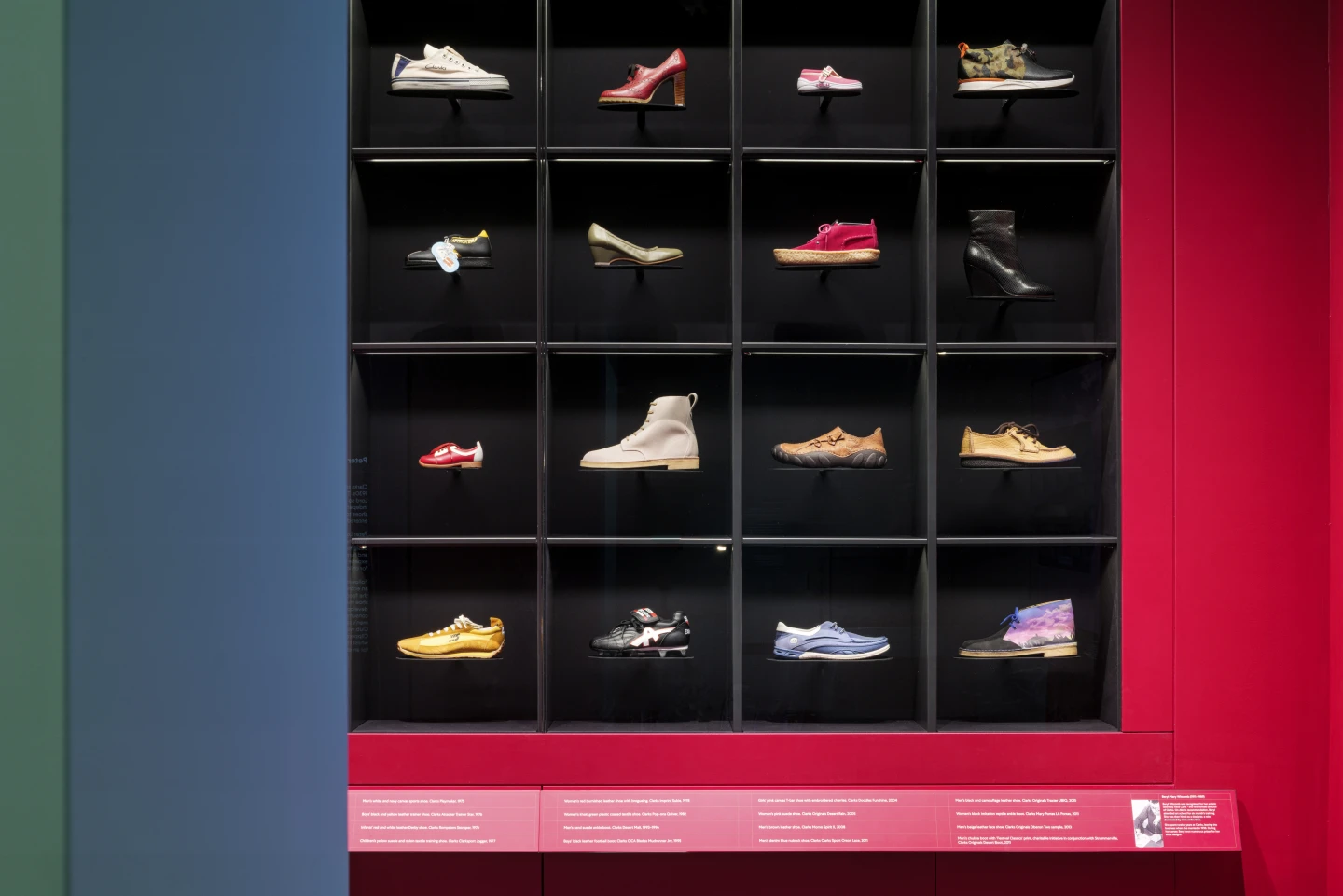
We set about creating a plan in conjunction with Nissen Richards Studio that stemmed from a series of workshops to establish what themes best represented the Clarks story over the last two hundred years. It was determined that an emphasis upon the locality and the family from which the Clarks brand originated, the manufacture of footwear that it represented, and its marketing and retail, were the three key elements that could carry the stories we wanted to tell. Each gallery was subsequently assigned a theme. Because of the amount of material we have in store, we needed to be selective in choosing what we put on display whilst ensuring it was the most effective item/object to fulfil that task. This formed a shortlist that was carried through to the creation of each section of every gallery.
I understand that you’ve been responsible for bringing retro and historic shoe styles from the archive and onto our shelves – what does the process of bringing a style out of the archive look like?
I don’t have any responsibility, but the role of facilitating access to the collection for creatives within the company to authenticate existing styles and create new ones, for me personally is one of the principal attractions for working with the collection and the company. Academia was highly theoretical. Research was enjoyable, but there’s an added buzz in seeing commercial outputs result from your work. Working 18 months in advance of launch, designers and range managers tend to brief the archive at the beginning of the development process on details that might include specific decades, constructions, styles and you’re able to use your knowledge of both the brand and the collection to satisfy those requests. Where we’ve seen a demand for this service, we’ve digitised parts of the collection to make them more accessible. We’ve approximately 25,000 shoes, catalogues that date from the 1840s and accompanying Point-of-Sale. Designers will take stitch details or materials, a tread design or silhouette as inspiration for something new. Sometimes they’ll even mix heritage references to create new product, but considering its origin they retain the brand DNA that makes the style identifiably Clarks.
Historically, the collection has been a physical resource which presents limitations to users that have needed to visit the archive. There has also been a reliance upon the archivist to manage requests, whereas with the use of a digital resource the hope is that my efforts to link items to enquiries will no longer blunt creativity and that designers and range managers can be self-guided in searching collections, allowing them to interrogate the collection freely and find inspiration where they might not have thought it likely. The commercial success of styles taken from or inspired by the archive has been the driving force for its development and its increasing use as a reference point is not specific to Clarks but something that has developed generically. International brands are drawing upon their heritage to sell product. Business archives have grown to serve that demand.
What are some of the challenges that archivists face in the contemporary moment?
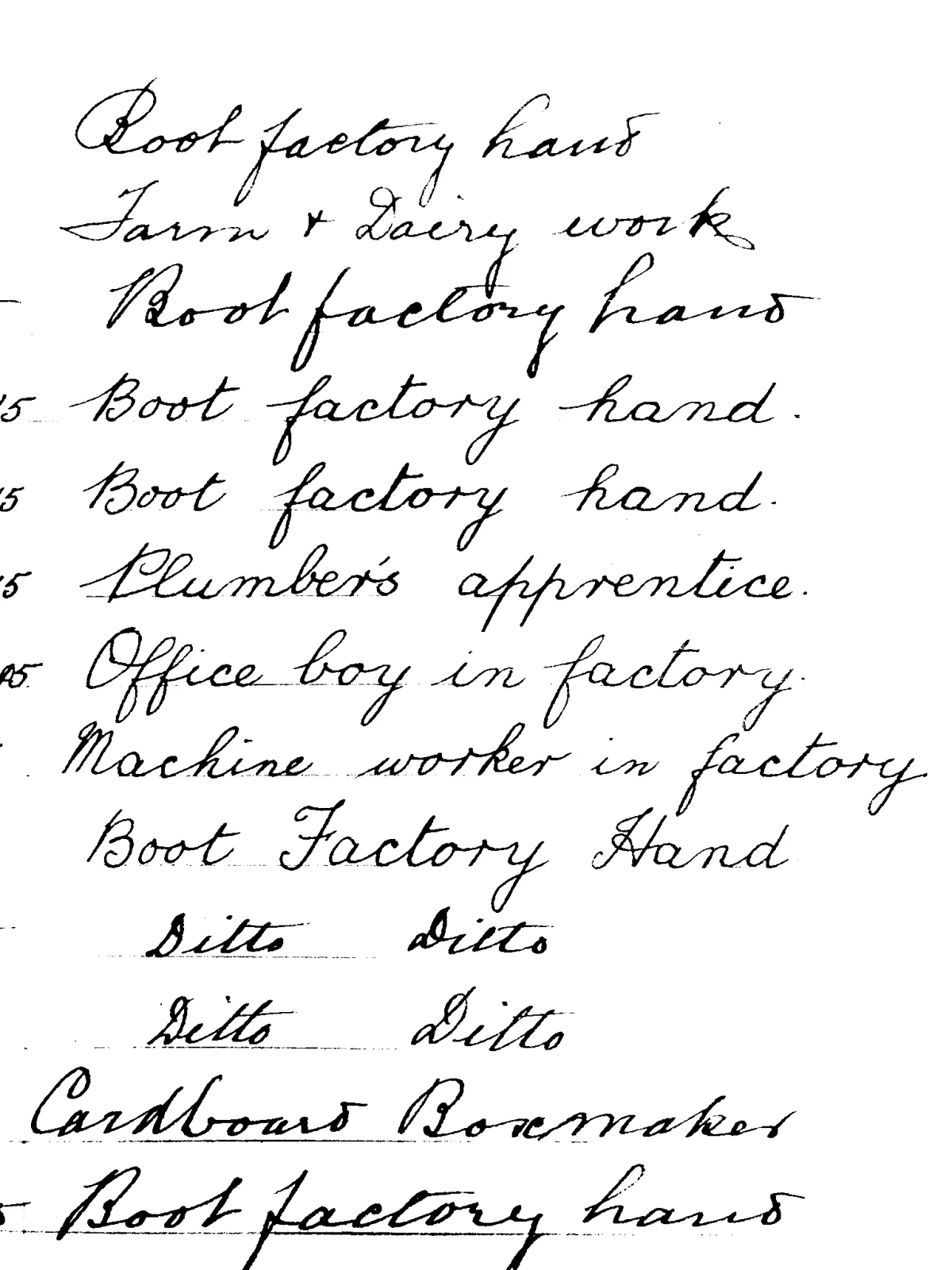
As archivists, I think we will continue to manage a series of traditional and modern challenges. From a personal perspective, one of the ones we’re feeling most acutely with modern records are the number that are born digital; the tendency for material to be based upon email correspondence, cloud files, the advent of social media, and the multitude of file formats and storage media that present challenges to collecting, along with the threat of rapid obsolescence, degradation or failure. Large volumes of data and storage are also a prospective issue requiring the adaptation of traditional appraisal methods and discussions about the upgrade and funding of servers, storage and software. Access remains an ongoing challenge, balancing openness with legal or ethical responsibility and matters of commercial sensitivity. Also, considerations of copyright and intellectual property, particularly in an age of digital sharing and unclear ownership of digital content. Backlogs of uncatalogued and unprocessed material are something that we’re currently challenged by. Another emerging subject of interest is AI, the ethical and technical questions it’ll raise, and both the negative and positive influences it’ll have upon the sector. There’s the tendency of archives to have an historical slant towards representing dominant groups and looking how this imbalance might be rectified. This is something that has been consciously addressed during the Museum interpretation through oral history and worker representation. A lot of the papers in the archive originate from middle and senior management.
How would you like to see the relationship between the museum and the archive evolve?
The process of creating the Museum using objects from the collection and interpretation to display and engage the public has already benefitted from the contextual inputs of the archive. What has been empowering for the latter, with the building of the Museum has been the visual and material expression given to archive stories that can be shared in a way that was always difficult when we were limited to the archive and didn’t possess a public platform. I’d like to think we’ll use the archive more in the future to build narratives to support material on display and expand upon the objects to provide evidence-based storytelling and more substance for exhibits. I’d also anticipate that the archive will be able to support researchers studying museum collections. Ideally, the reading room will provide them with somewhere to work, and it’d be nice if these researchers then fed information back into the collection and we use the Museum to provide a vehicle for them to share what they discover with the visitor. Museums attract broad audiences and the archive will provide the resource to add evidence, context and authenticity to create the depth that allows individuals to explore the collections more concertedly and give our Museum displays greater purpose and more depth.
If you could have one wish to transform your archive, what would you wish for?
That it was catalogued to item level, so we had a greater understanding of what we hold. We know there’s gold in these hills, but if we could improve the item level cataloguing we’d know which were the most prosperous seams to mine and our researchers could exploit them more with a comprehensively accessible catalogue. Currently, there’s too much reliance upon the archivist to navigate the collection and that reflects its poor cataloguing. Research in the archive requires a broad based rather than focussed approach because the level of information doesn’t exist to make informed judgements on where specific information might be. Material is largely hidden and researchers are required to spend more time looking for it. To make it more searchable would enable them to identify relevant sources without necessarily visiting, cross referencing of the collection would become quicker and easier, it would improve research outputs, might raise new questions about collections’ content and would facilitate grant applications. Catalogued collections would allow us to create online exhibitions, blogs and social media content more easily to widen appeal. Beyond public access, we could also manage a catalogued collection better. With an understanding of what we had, we could identify items in the collection requiring prioritisation for conservation or digitisationWhat’s
What’s the most exciting discovery you’ve ever made in an archive?
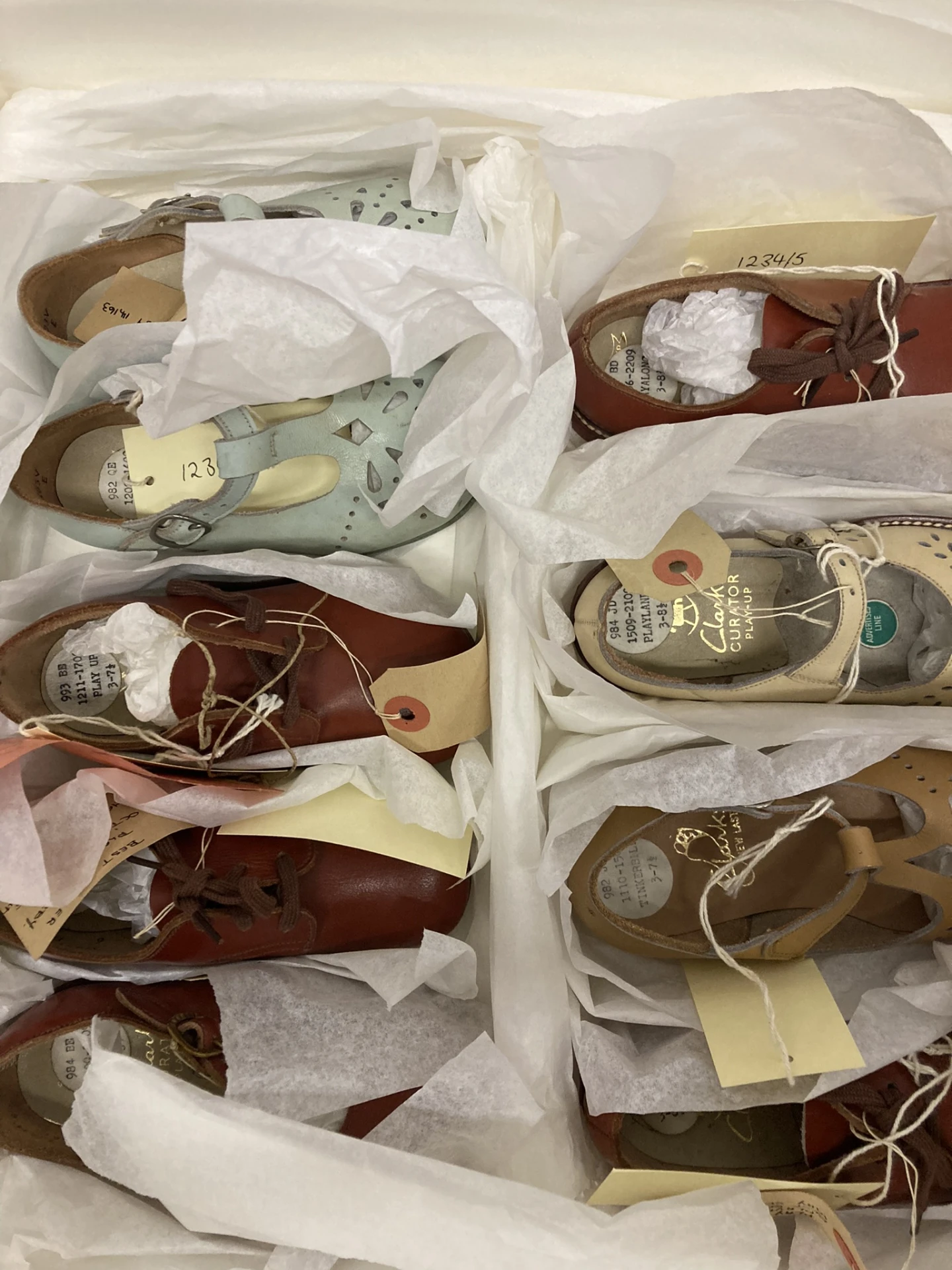
The novelty of this archive is that it’s not really been researched, so you often benefit by being the first person in generations to have consulted the papers you’re reading. That was one of the reasons for wanting to stay and work with the collection. Since switching from researcher to archivist I’ve been involved in acquisitions, and these have brought me as much excitement as anything. Discovery of footwear at Clarks HQ has been one of my happiest moments. It’s a sprawling site, comprising historic buildings bolted on to each other to increase production capacity and accommodate administrative functions too. Parts of the building go undisturbed for years. On one occasion I’d been tipped off about a room, on a platform, beneath a large water tank that serves the factory. Accommodated by the Water Tower, constructed as an attachment to the Clarks factory in 1897, it’s part of the high street factory façade and one of the labyrinth of buildings and rooms built over a 200 year period to create the factory site. The ladders required to climb to the top were accessed via an old door with a lock for which few of us had a long-retired factory key. My reason for climbing that ladder was a tip off from a long serving last maker named Gerald who had worked for Derek Radford. Radford was a genius, responsible for most of the iconic Clarks styles designed over a 25 year period. Secretive in his working, which added to his magic, he had stored samples at the top of the tower. I had read about quite a lot of what was uncovered on that day - but never thought I’d see examples - hundreds of them amongst the blown hydrolysised PU fragments and dead pigeons. In nearly 25 years it’s the closest I’ve come to an Indiana Jones moment, cut short by a reprimand from Health and Safety, concerned the dead pigeons had succumbed to Legionella, and a deal was cut to lower the footwear down in trays for transfer to the archive.
Would you encourage young museum enthusiasts to explore a career as an archivist?
It’s one of those jobs you’ll do more for the love than the money, but it’ll be the love that’ll keep getting you out of bed in the morning when you’ve been doing it as long as me. I like the variety and the opportunity to live in the past. I like the fact it feels like fishing. It’s the excitement of the unknown and what you might find, but mostly it’s about the opportunity to concentrate on something so specific that you become well versed in it. I know nothing about anything but Clarks, and I enjoy looking after the collection and researching it. Growing up in the 1980s, it was the allure of fictional characters, positive role models, people like Dr. Emmett Brown, Dr. Indiana Jones and Dr. Pete Venkman that had the desire to focus upon a specialised subject that appealed to me. Deriving pleasure from focussing upon something so specific. It’s a joy to work with a collection and use it to build up your level of knowledge, whilst protecting it, and making it more accessible for others to do the same.
The Author
Related:
The Three Inherent Flaws of the Museum
Art, Architecture and Culture - A Conversation with Rachel Whiteread
The Future of the Museum is…Public?
The Future of the Museum is...Performance
From Place to Platform: Decentralising the Museum
Creative Access Design - One Solution Doesn’t Fit All