Designing Across Borders
Over the last fifteen years, one of the great pleasures of my career has been working internationally. As British designers, we are sometimes invited into another country to reflect on its most precious objects, collections or artefacts. Being from elsewhere can bring clarity. Perhaps the distance allows you to see familiar treasures in a new way? When we worked on Opplyst, a ‘treasures’ gallery at the National Library of Norway, I immersed myself in the country’s history, art and literature. I visited every museum I could find, studied paintings, devoured history books, and tried to absorb the cultural nuances that shape Norwegian identity. I think that only by understanding context can we design spaces that truly feel right.
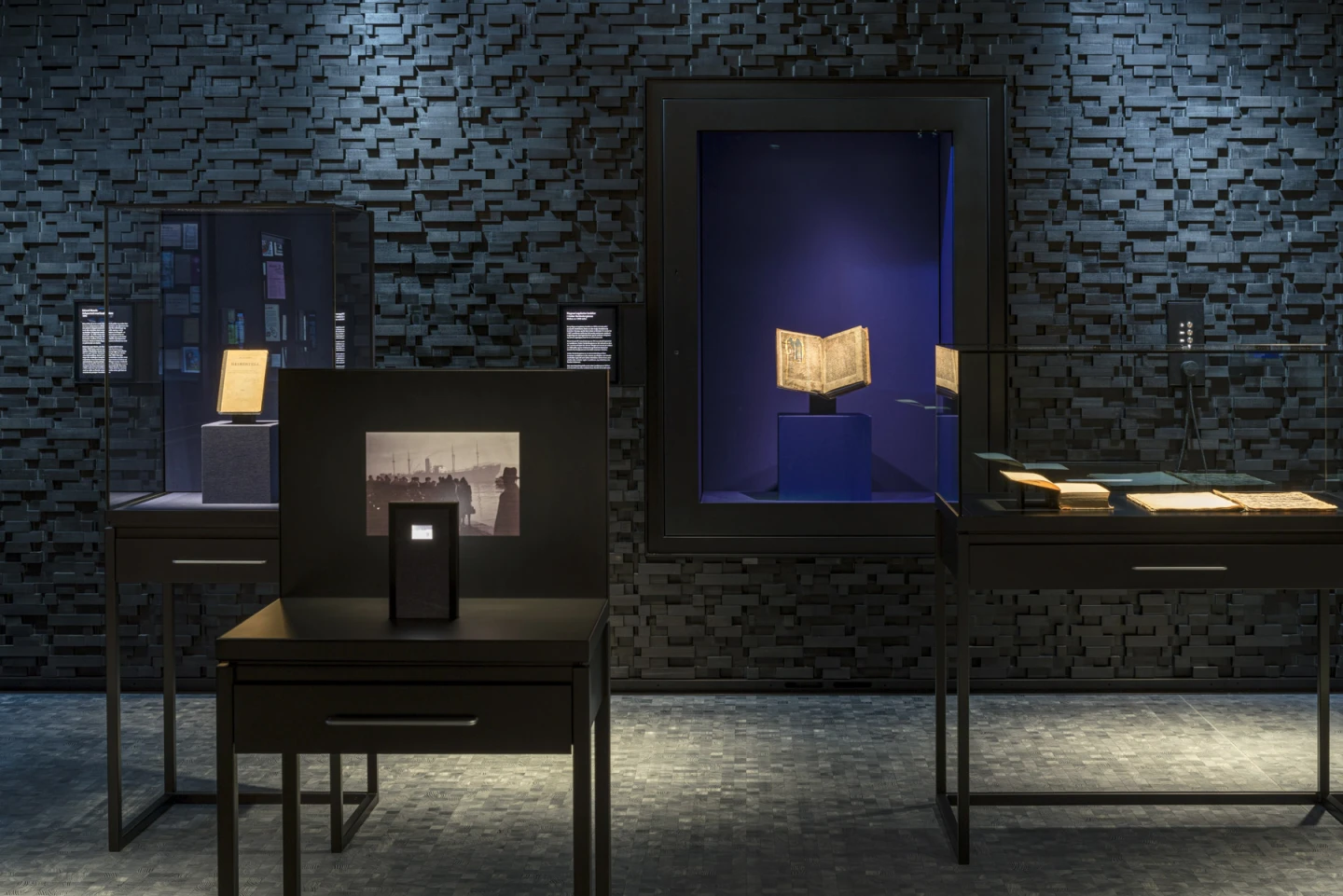
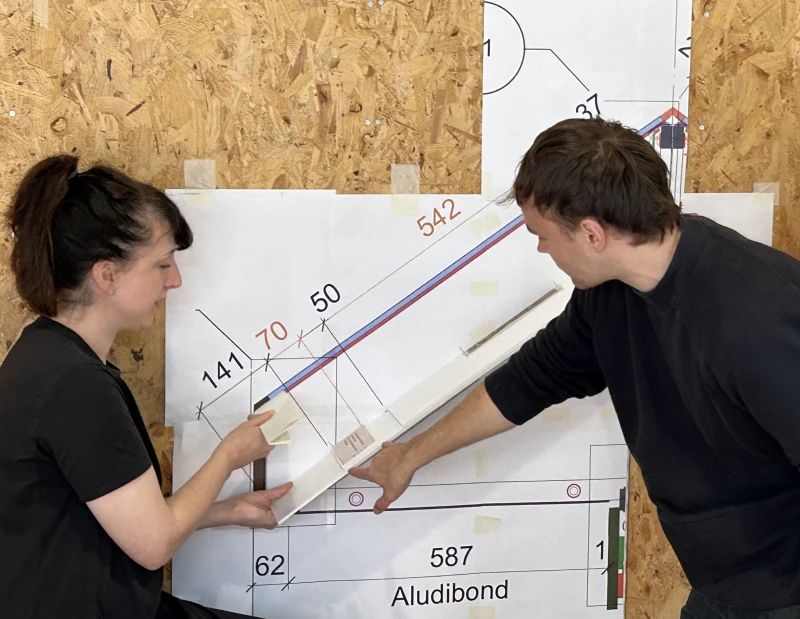
British design has deep roots in our brilliant art schools, as well as our history of craftsmanship and narrative thinking. These traditions give us a foundation of rigour and curiosity, and our international clients really value that foundation and what it brings. But our design methodologies also need constant recalibration when we step beyond our own borders. Our first response to a brief abroad is often likely to be clumsy, as we reach for clichés and for the obvious colours and forms that feel ‘right’ but are in fact superficial. The real work begins when we strip that away. Through workshops in our studio, we challenge our first instincts, do more research and let the design evolve into something more subtle, more site-specific and more alive.
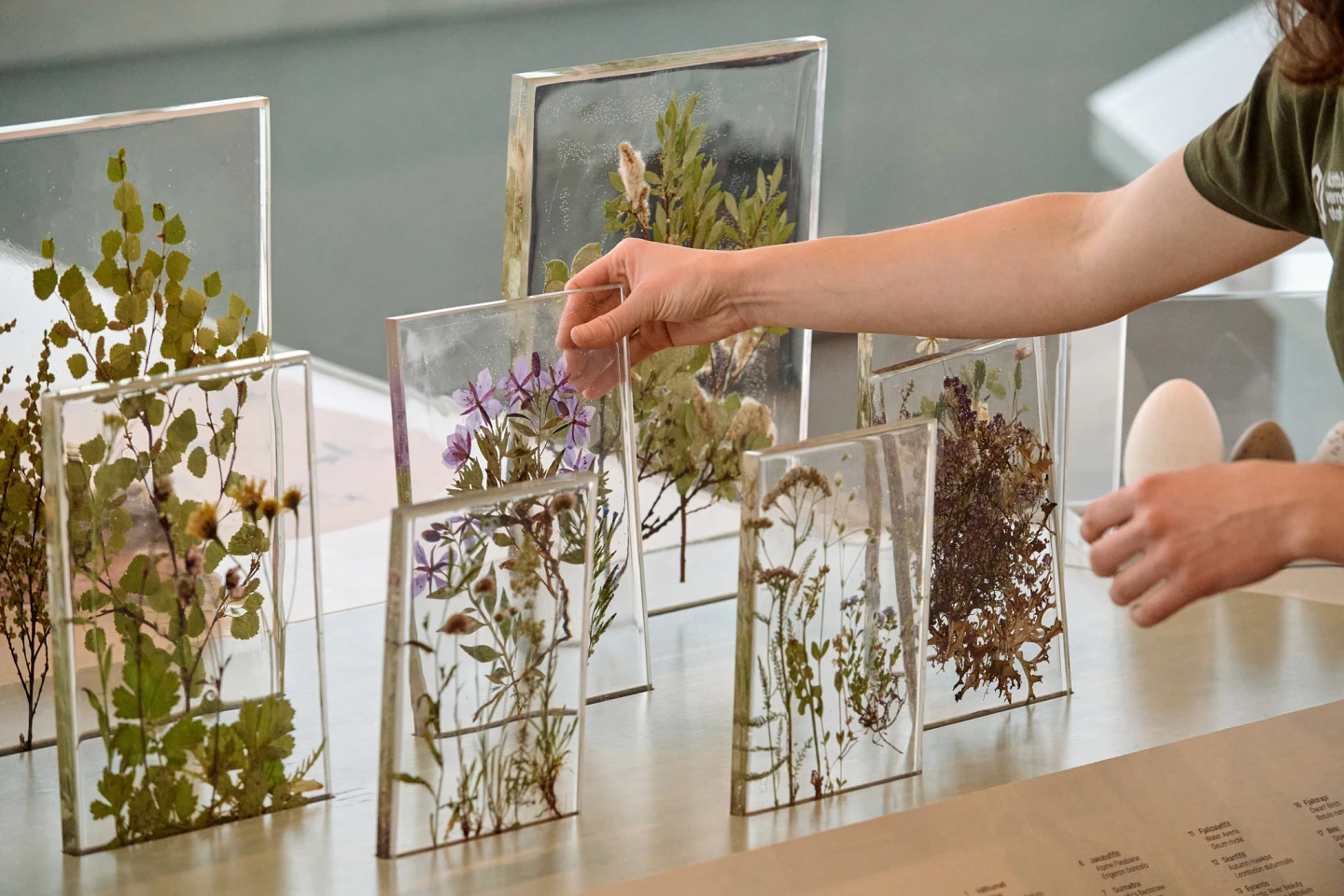
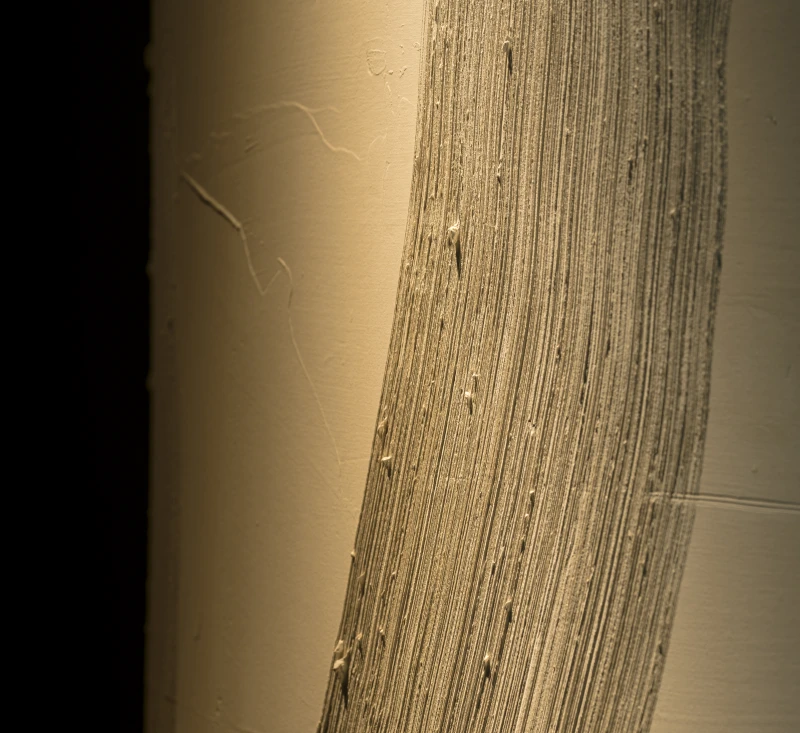
Listening is everything. Clients and local collaborators often hold the keys to what really matters. In Iceland, we quickly learned that some species of timber is scarce; a reminder that sustainability is always contextual. There is little point insisting on materials that must be imported. It’s far better to embrace local makers who understand their own supply chains and to revel in the craftsmanship unique to each place. In India, that has meant exquisite artisanal, hand-rendered plaster and walls lined with gold leaf: work that could never be replicated at home within budget.
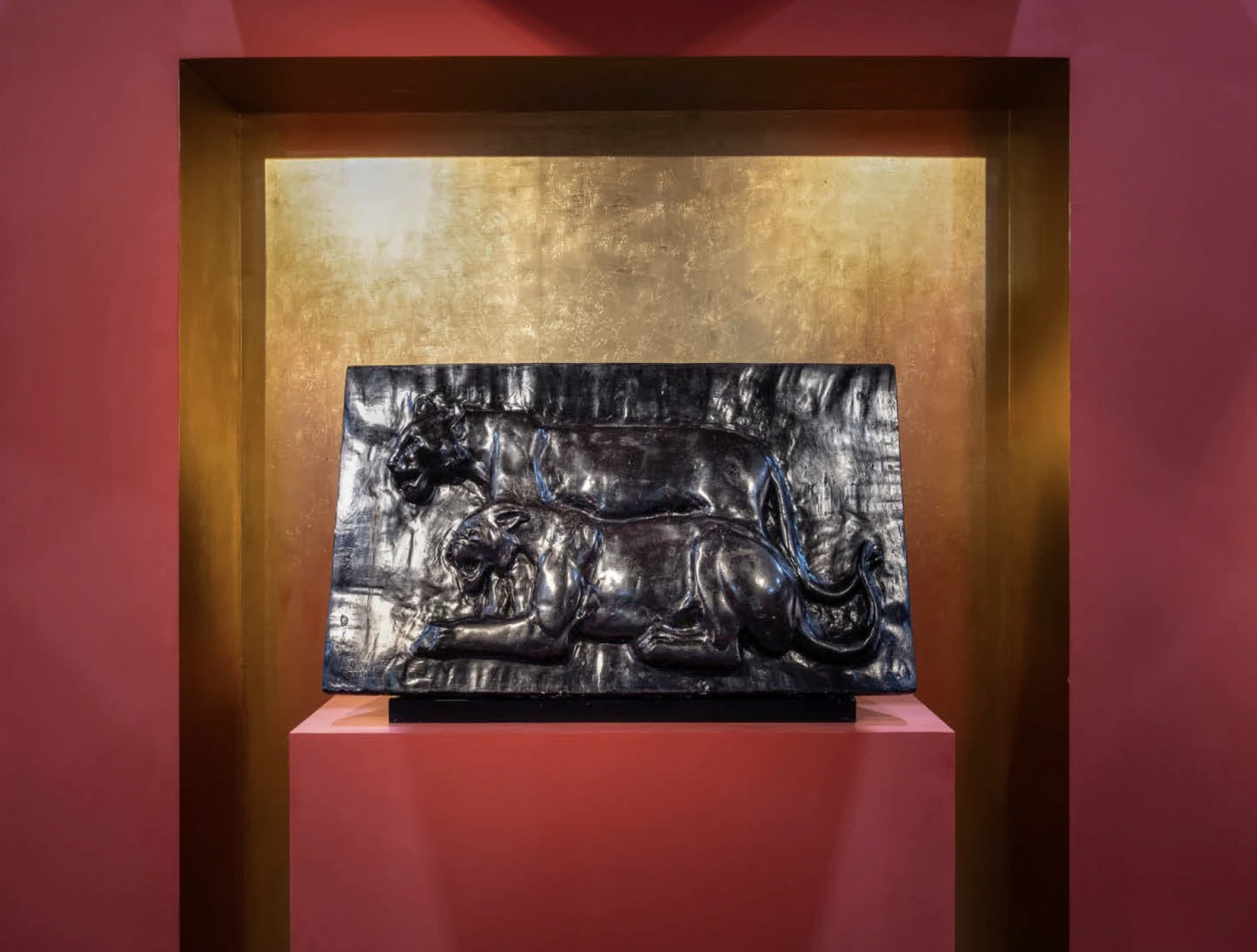
Then there are the nuances that sit quietly beneath the surface, such as the meaning of colour, which can shift dramatically from one culture to another. A red can be unlucky or refer to the colour of the earth rather than being the bright accent that we imagined. Or the role of climate, which can transform materials in unexpected ways. In Malaysia, we learned how quickly metal can corrode unless it has layers of protective coatings, and how fabrics simply can’t endure the humidity. Each lesson becomes part of a growing library of knowledge, one that reminds us that good design listens to its environment.
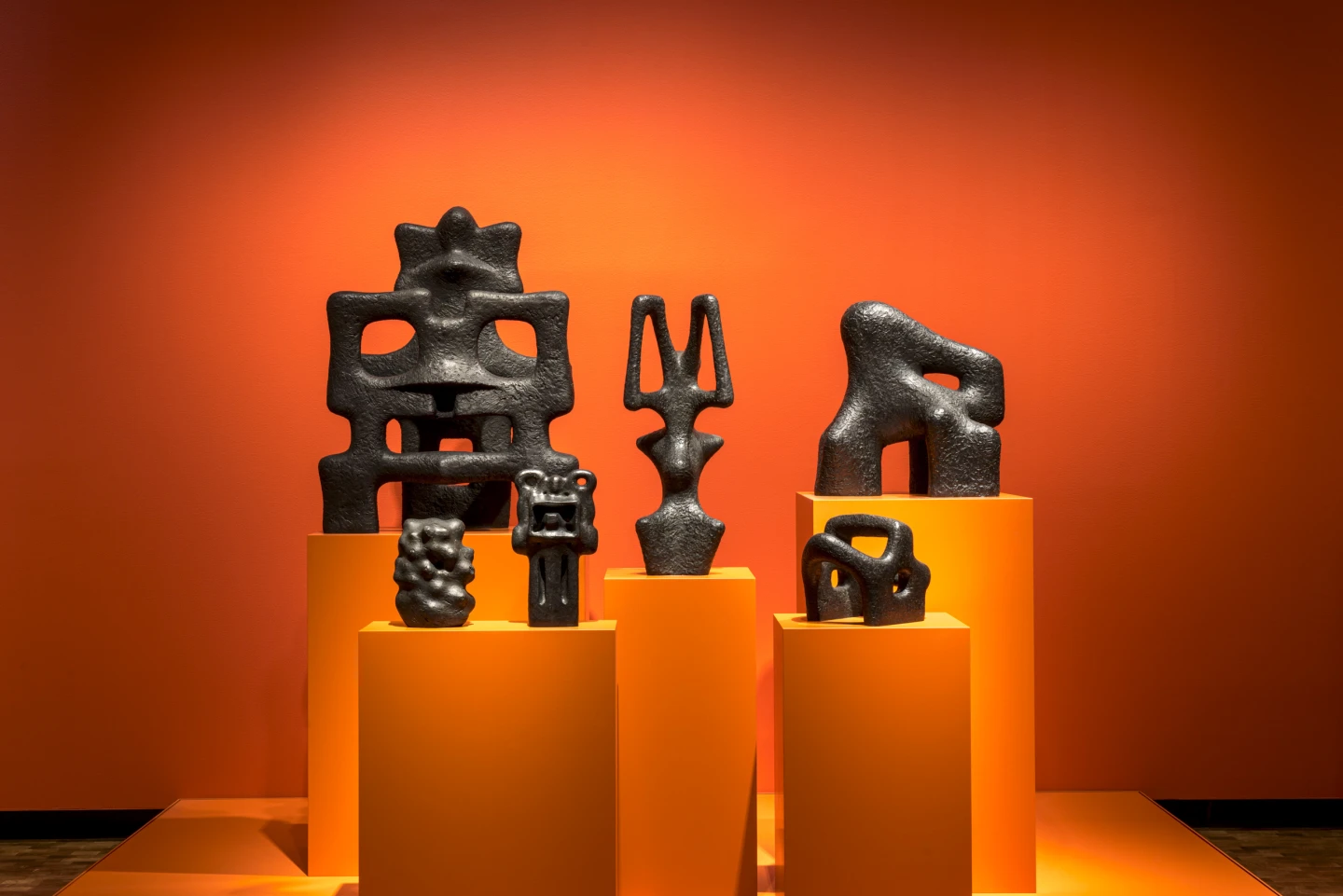
To work internationally is to stay perpetually curious. It’s about balancing British clarity and narrative strength with local history, authenticity and craft. When that balance is right, design transcends geography and becomes a shared language.
A version of this article first appeared in Commercial Interiors UK 2026 Directory as one of the introductory essays.
The Author