The Rise of the Digital Day Out
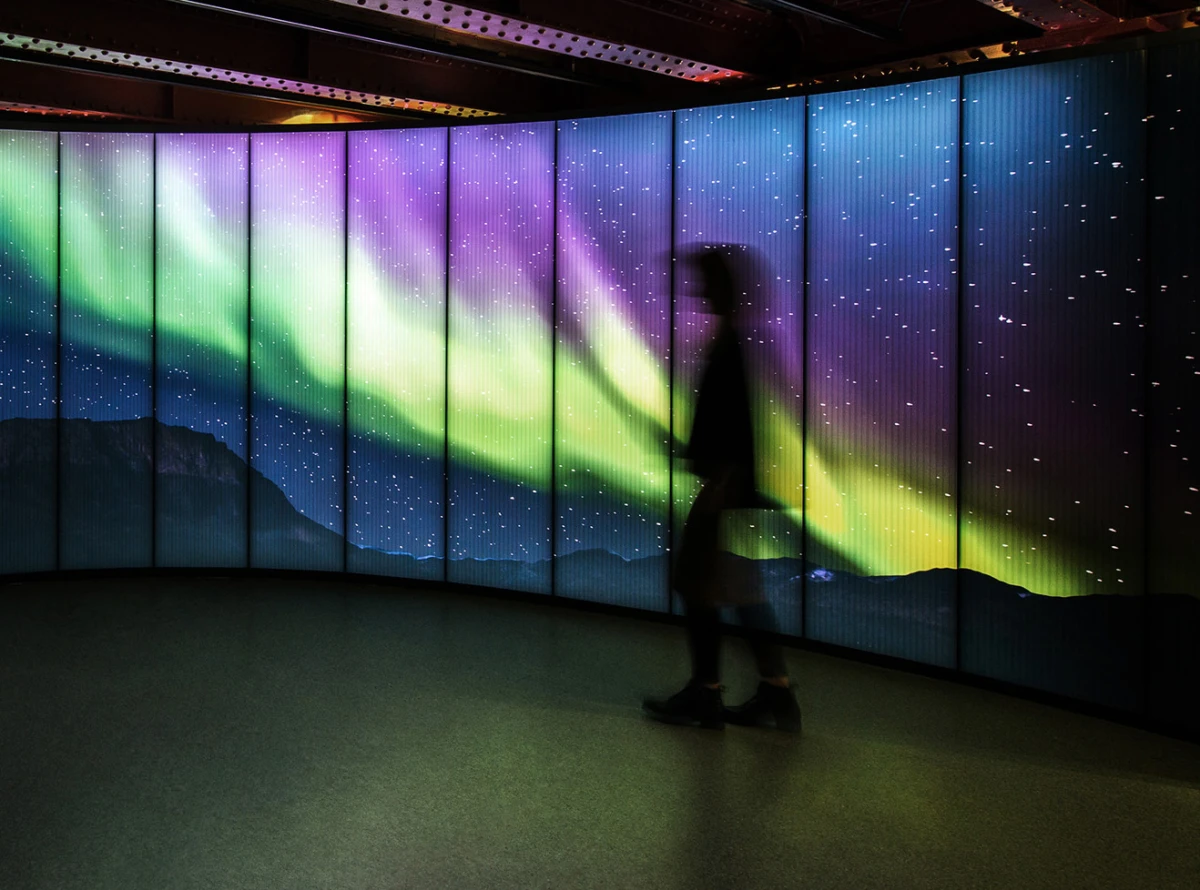
For several years now, discussions around a loss of footfall and lack of audience engagement have been circulating the museum world. With more than a third of museums declaring a drop in visitor numbers of 25 percent or more since Covid, according to a report by Arts Council England last year, this discussion isn’t just about perceptions.
As ever, blame is quick to be apportioned. Accusations around programming that isn’t exciting enough or institutional nervousness around innovation have become one area of focus, whilst the much more quantifiable post-pandemic tendency to stay at home and the phenomenon of less post-Brexit travel, especially from European visitors, are more solid factors. The pre-Covid era is certainly feeling ever more distant.
It’s not just museums that have felt the decline. Pubs, clubs and other music venues that traditionally offered ‘an experience’ to punters have been closing at alarming levels, with the Night Time Industries Association reporting that one in four night-time entertainment venues have shuttered since 2020. With these closures comes another critique (it seems there is always some disdain to be sprinkled) of the allegedly puritanical behaviour of Gen Z, apparently increasingly swearing off sex, drugs and rock n’ roll in exchange for money in their pocket and mornings free from hangxiety. Others would say there are quite different reasons for this and that this same generation are the greatest victims so far of digital alienation and increasing loneliness, although the fact that they’re not coming out to play as much is undeniable.
What is also impossible to deny is that other phenomena and market sectors are enjoying growth and booms in attendance - including one that’s particularly relevant to museums: a new breed of high-tech, immersive experiences that are not only attracting audiences but charging but charging serious money for entry too.
The most visited of these is the Outernet - a digital experience opposite London’s Tottenham Court Road tube station. A room clad with monolithic screens, projecting a range of adverts, artworks and experiences, this glossy, high-tech immersive experience is apparently attracting 1.5 million visitors per day - putting it, seemingly out of nowhere, in the top 5 visitor attractions in the UK. While many of these visitors might have simply wandered in off the tube on the way to do some shopping on Oxford Street - and whilst the Outernet by no means offers a full day out for the family quite yet - it’s intriguing that this digital-rich experience appears to be attracting quite such high footfall when other areas are suffering.
In a similar vein, Lightroom has been the breakout success of the immersive experience market since appearing in 2023, with enormously successful programming covering everything from David Hockney to Tom Hanks’ take on the moon landing. With a state-of-the-art projection system that allows for 360-degree immersion, the space has allowed for sophisticated storytelling that captures children and adults alike. The current offering at Lightroom is titled ‘Prehistoric Planet: Discovering Dinosaurs’. With a score by Hans Zimmer and voiceover by Damian Lewis, this is clearly a no-expense-spared experience designed to attract the family market.
Is a new pattern emerging? The growth of the digital experience, after all, also includes theatre and musicals, with many grouchy nay-sayers seemingly transformed by the experience of ABBA Voyage.
But do these immersive experiences need to be in competition with museums or can they work to compliment each other? The David Hockey exhibition at Lightroom, after all, seems to have attracted both hardcore exhibition goers as well as a more experiential audience. The same Arts Council report that highlighted the fall in visitor figures in 2025 also reported an increase in digital engagement with museums, reporting that social media followings for museums have grown by an average of 61% since 2019/20, with three in four museums seeing growth of over 25%.
Perhaps the true picture isn’t about museums versus interactive exhibits at all, but about growing visitor preferences for virtual rather than ‘real’ experience? In the short term, the heavy investment into digital experiential environments might seem beyond the budgetary possibilities of most museums, but a successful longer term view might be about more planning for the spectacular, whilst staying true to the custodianship of objects as the museum’s unique role that no other sector can ever rival.
The Author