The Art and Science of Connection
On April 20, 2024, the 60th International Art Exhibition Foreigners Everywhere, curated by Adriano Pedrosa, opened to the public in Venice. Since 1895, La Biennale di Venezia has invited countries around the world to present work — visual art, music, dance, installation, performance — in a pavilion-style format centred around a core theme. Scattered throughout Napoleon's gardens, the pavilions stack next to each other like houses on a cul-de-sac, inviting curious visitors to engage with art at their volition. There are no guides, there are no sales; it is about engagement between the showcase of a nation and a viewer. The 2024 edition invited international reflections on identity, migration, globalisation, and social justice. Research suggests that greater arts engagement promotes more prosocial tendencies, even when controlling for personality factors like openness and conscientiousness (Van de Vyver, 2017). Art has always been a tool to address societal challenges, and the 2024 Biennale created a platform to talk about refugee experiences.
As a Dothraki horde of art aficionados, blue-chip gallerists, cultural enthusiasts, social media stars, and business tycoons flocked to the canals of Venice, the media highlighted an ironic juxtaposition between the themes on view inside the pavilions and the opening-week audience outside them. Art critics lamented the cost of it all — the transatlantic shipping, the dealing — raising the question of who the intended audience of such cultural events really is, and to what degree the intentions of the thousands of hands that go into executing a pavilion are actually felt by the people who come to view and engage with the work.
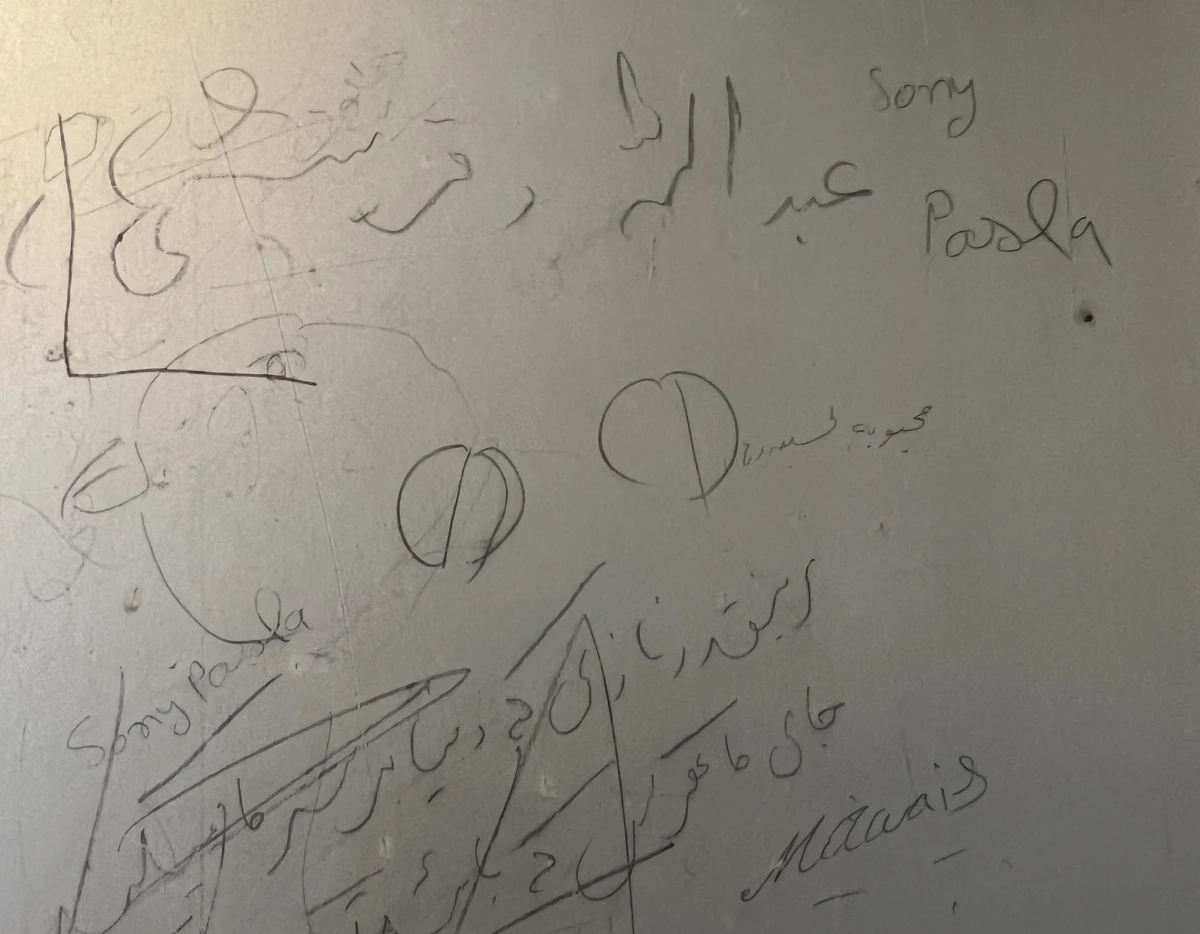
While the Jerry Gagosian art-world parody account posted memes, serious intellectuals and art professionals shared powerful experiences and reflective emotional responses on their platforms. Notably, writer and Mexico City–based curator Sue Wu, posting under her platform I'm Revolting, shared her experience inside Anna Jermolaewa's phone booth installation at the Austrian Pavilion, writing in the caption that “despite knowing better, I cried my eyes out”. For Austria’s presentation, Jermolaewa installed six functional phone booths from the refugee arrival centre Traiskirchen, said to be the source of the most international phone calls made out of Austria. Inscribed on their interior walls are traces of the people who have sat inside and tried to make a call - including Anna herself.
The artist used one of these booths to let her family know she had arrived safely after fleeing Russia. In an interview she describes the booths as “capsules of hope…but also despair. They represent hundreds of thousands of people in transit. The refugee center scheduled them for removal and I asked if I could have them. In the Austrian pavilion they’re experiencing a new life” (Markl, 2024).
In the installation, Biennale attendees were invited to make calls to whomever they chose - although most calls did not go through, perhaps not unlike the original experience. Wu's post and emotional response to this readymade gave us an opening. As scientists that research the transformation of art on individuals in society we wanted to ask what the data says. We wanted to know whether her experience was a subjective, one-time event tied to her own life, or something we could measure more broadly. If the prosocial aims of this year's Biennale were being felt by viewers, under what conditions and would we be able to measure it in the brain and behaviour?
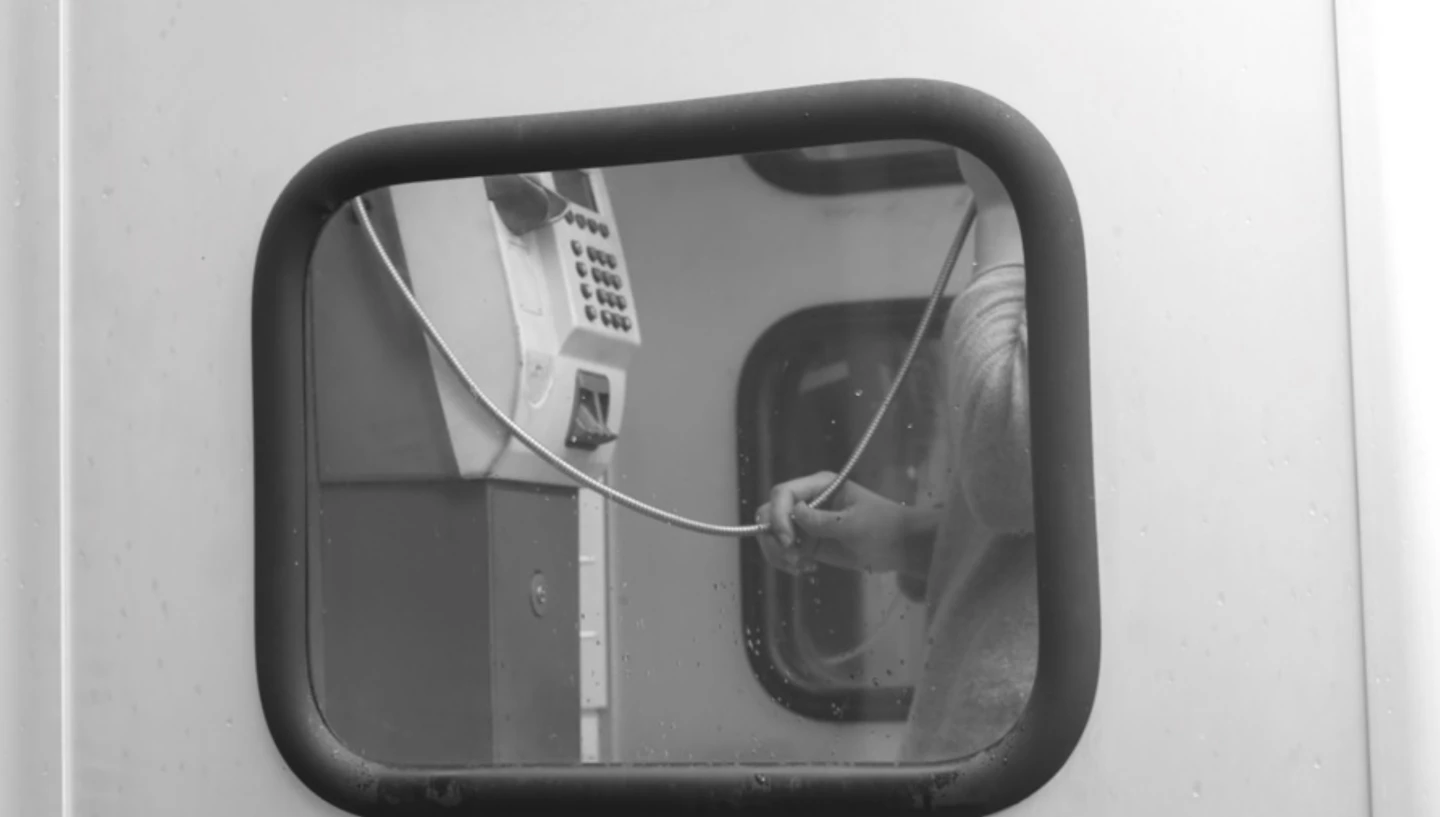
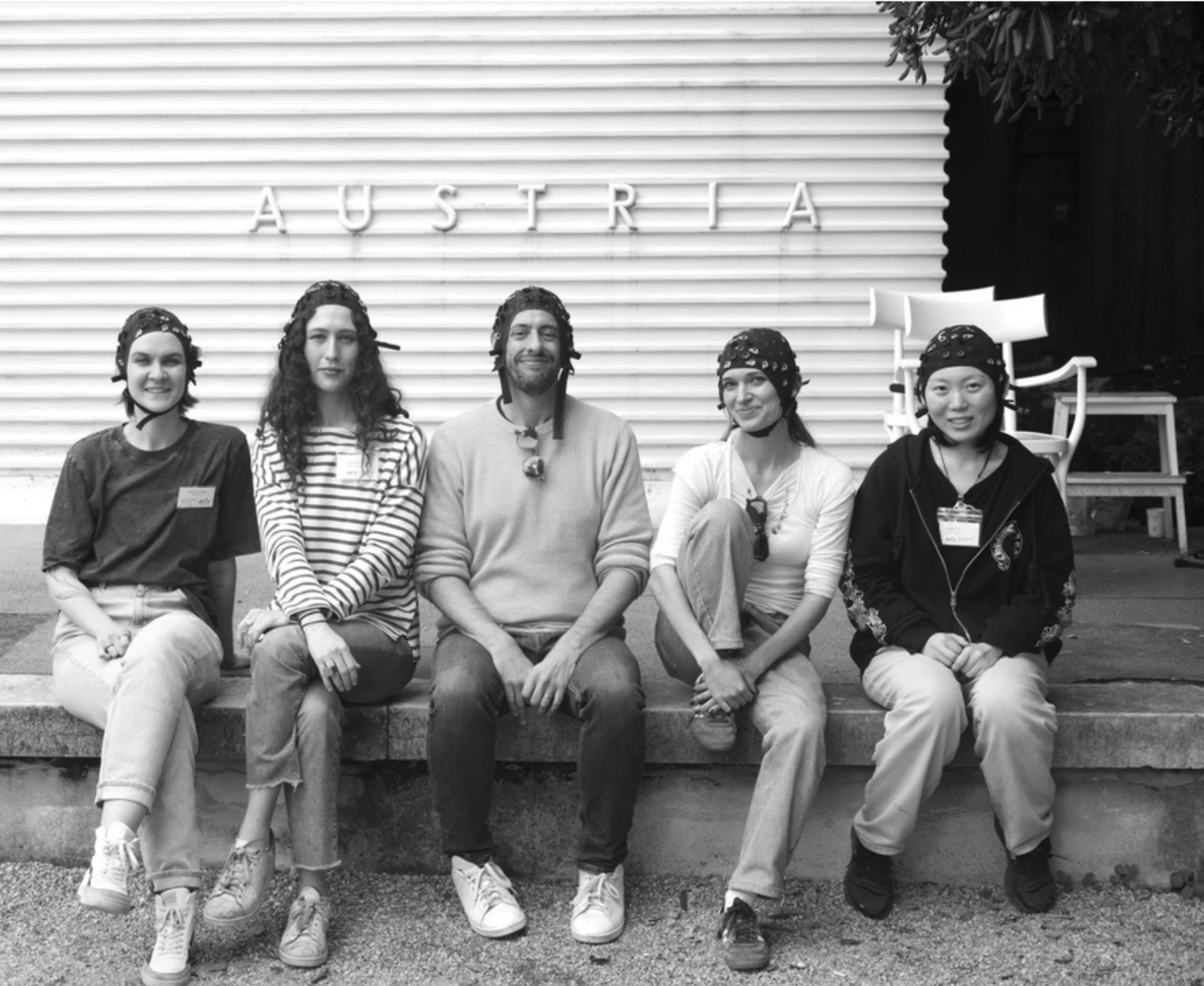
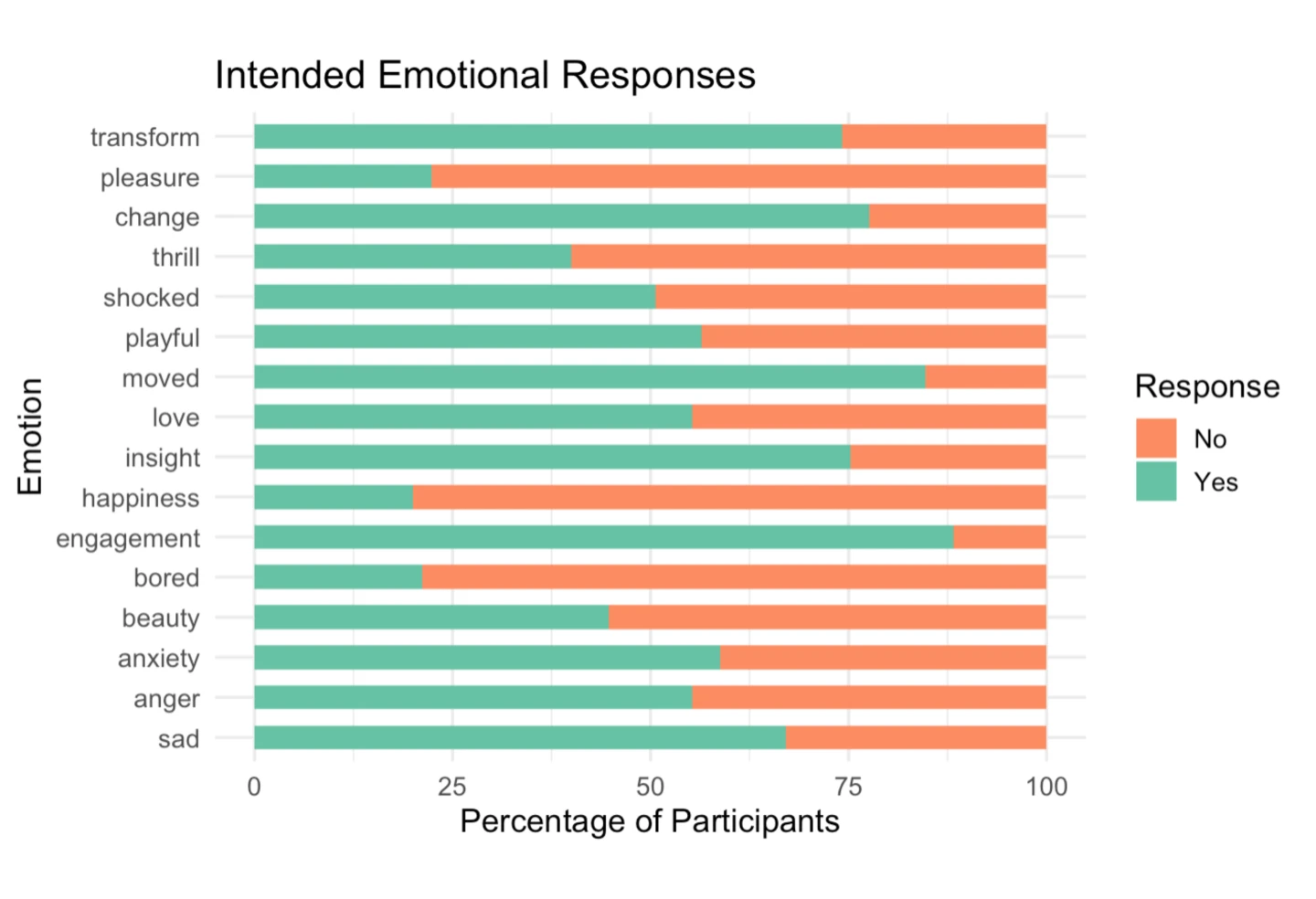
Following up on Pelowski et al. (2023), we tested whether artists can systematically evoke intended emotions in an audience, and whether viewers can correctly identify artists' intentions. We ran a between-subjects design with pre- and post-viewing questionnaires measuring attitudes toward immigration, attitudes toward others, prosocial attitudes, and empathy. We had 5 researchers recruited onsite for two days in October and participants were recruited onsite with no prior knowledge of the study. A subset of participants wore mobile fNIRS devices to record activity in brain regions associated with affective and cognitive empathy (mPFC, left/right TPJ, IFG/ATL), theory of mind, emotion contagion, and creative thinking (dlPFC). We also captured reported felt emotions using the 16-item ExTyping measure (Miller et al., 2025), alongside imagination scales and responses to Jermolaewa's phone booth installation specifically. The Austrian Pavilion was an unusually clean case for this question: a single artist, a clearly articulated concept tied directly to migration, and, since our team is based at the University of Vienna, we had direct access to the curatorial team and to Jermolaewa's parallel exhibition at Phileas, allowing us to align our measures with the artist's stated intentions.
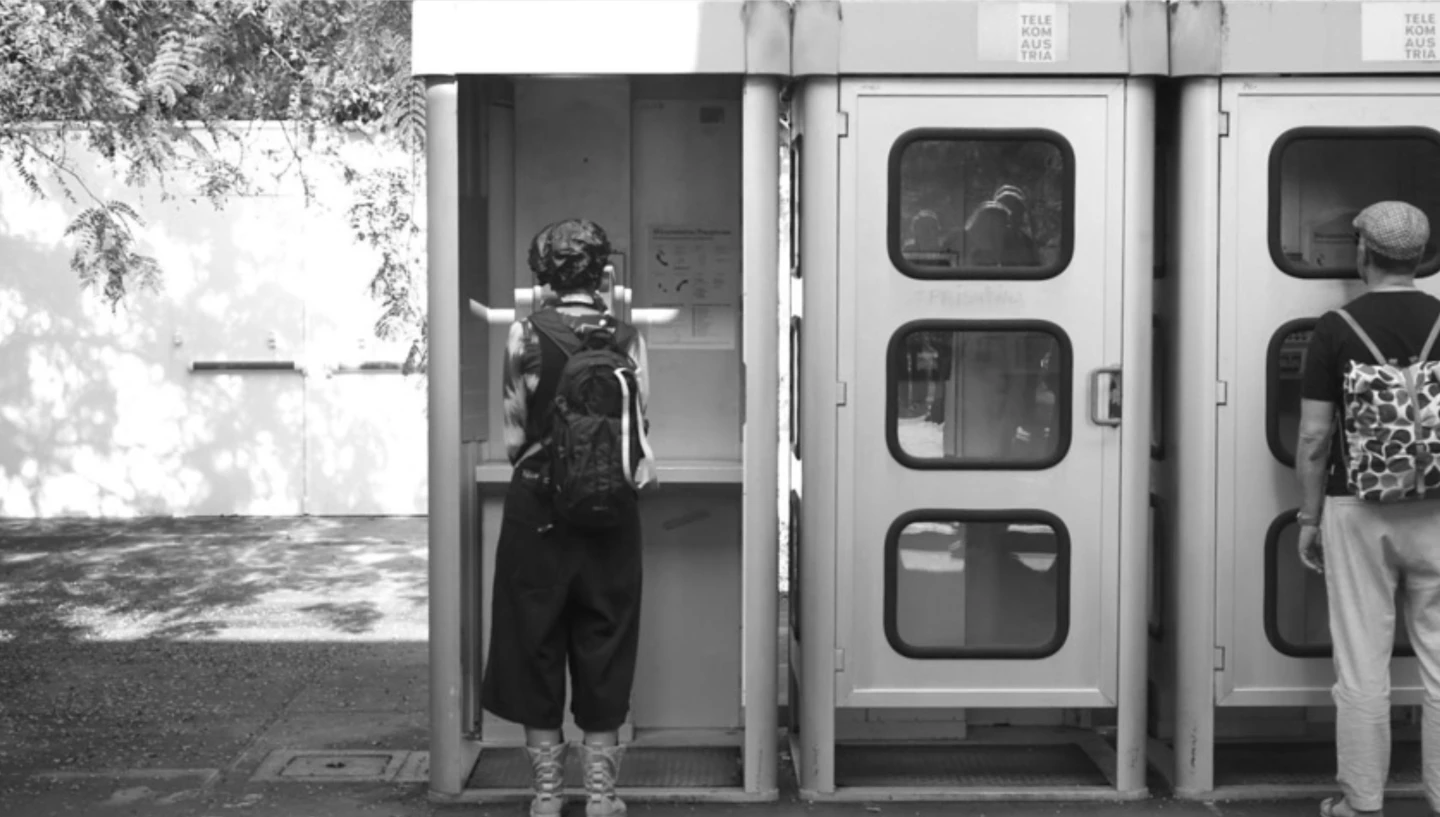
Viewers were indeed able to correctly identify the emotions Jermolaewa intended to evoke, and they reported similar aesthetic experiences to one another, thus a meaningful replication of the emotion-sharing finding from prior ARTIS Lab work. But interacting with the artwork did not shift attitudes toward others, immigrants, or refugees in the direction we expected. If anything, attitudes toward others slightly worsened post-visit. There were no significant differences in pre-post empathy or pro-social attitudes whilst art viewer’s mood significantly seemed to worsen after the experience (decrease -0.77, p< .001) . We believe this speaks less to Jermolaewa's installation and more to the nature of the Biennale itself: people don't come to the Venice Biennale to participate in scientific investigations. They come for the spectacle. In theory, contributing to research on empathy and prosocial attitudes inside an exhibition about empathy and prosocial attitudes sounds like a perfect fit. In practice, asking someone to sit on their phone answering Likert-scale questions about refugees, while standing inside an exhibition about refugees, surrounded by the social choreography of the Biennale turned out to be a much more complicated proposition. We could have designed shorter instruments. We could have leaned more heavily on qualitative interviews; many visitors were, in fact, eager to share their experience verbally. The mismatch between the format of our science and the format of the event is itself part of what we want to reflect on in this article.
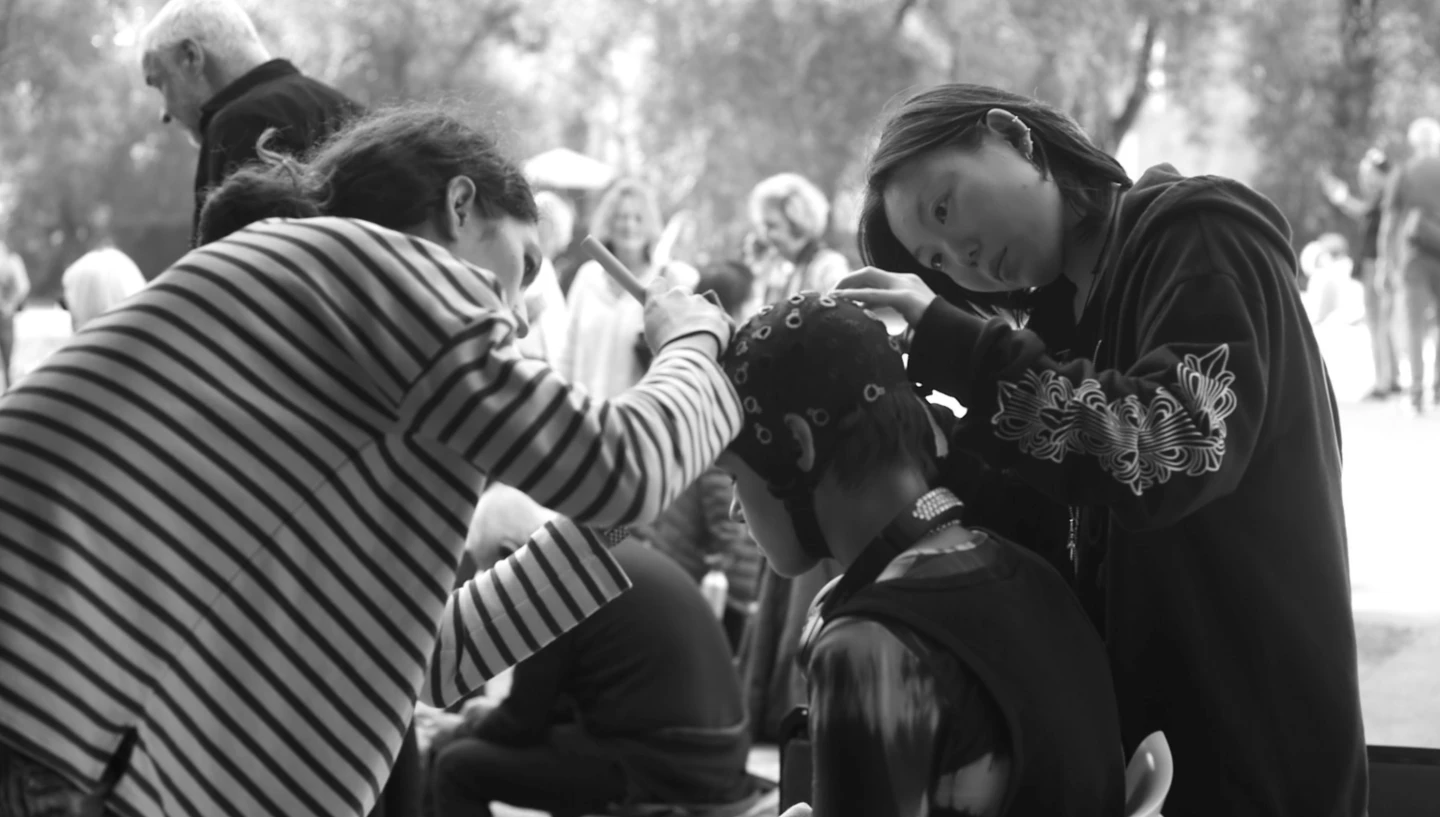
What we encountered at this round of data collection in Venice is a typical issue with our ecologically valid empirical investigations: There is a key difference between a participant and a visitor. A participant has consented to a protocol. A visitor has come for an experience. When the two roles are collapsed such as when a visitor is asked to become a participant mid-experience, perhaps the experience suffers, and the data does too. It seems that asking them to adopt the role of lab subject in the middle of a pavilion may have consequently interfered with the aesthetic encounter we're trying to measure. This maps onto a broader shift in the museum experience Zeitgeist. Visitors increasingly want slower, more reflective engagement while at the same time almost paradoxically, more self-curation and with that, more photographable, shareable moments.
Susan Sontag, in Against Interpretation, made a case for the erotics of art over the hermeneutics of it, an argument that a work should first be encountered before it is decoded. Something similar is true of the science of an art encounter or what we call neuroaesthetics. Instruments that ask too much of a viewer in the wrong moment can flatten, absolve, or counter the very thing we are trying to measure, and our pre and post questionnaires, arriving mid circuit in a Disneyland-sized spectacle of art encounters, may have done exactly that.
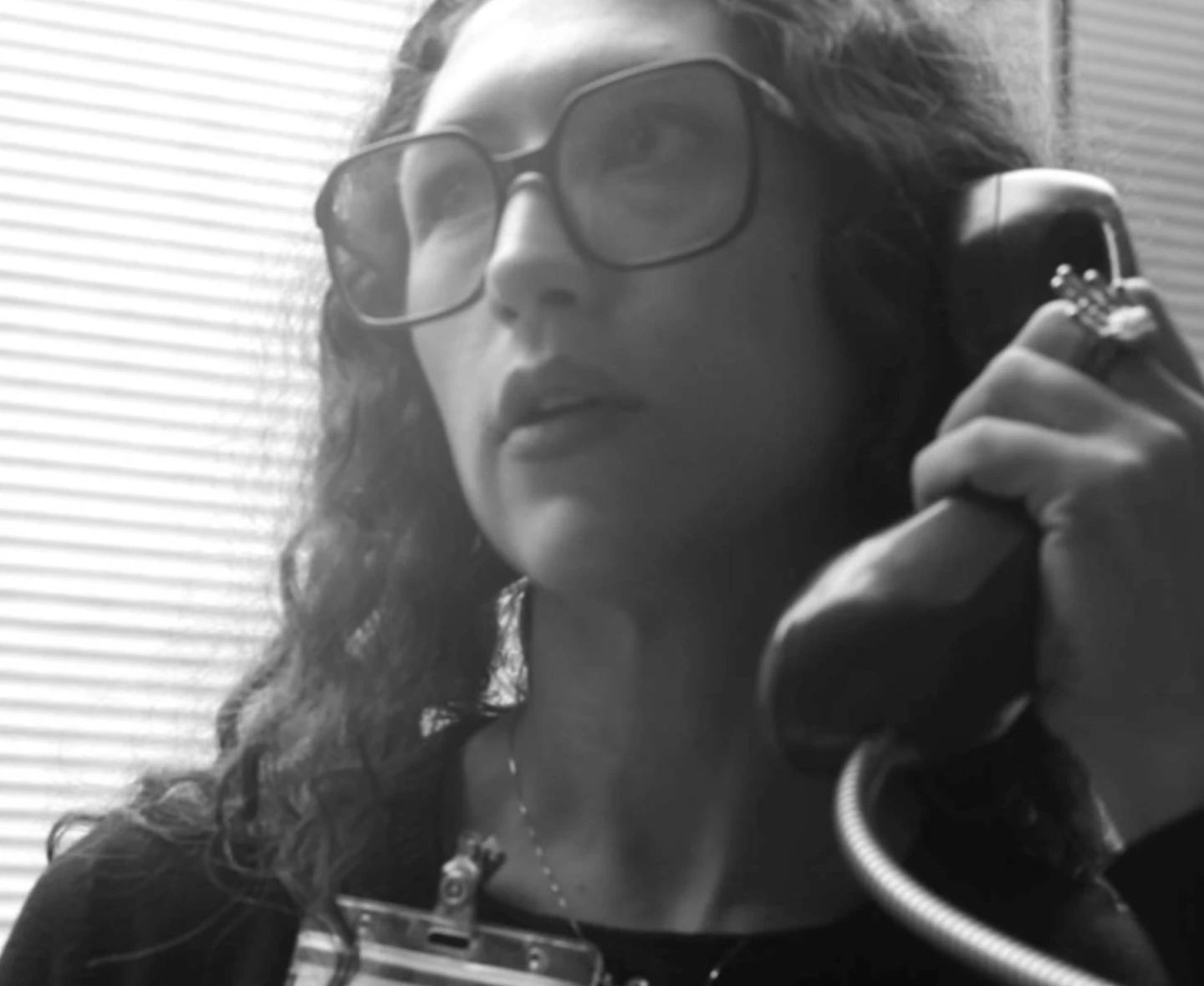
Guy Debord argues that in modern life the spectacle becomes a social relationship mediated by images rather than a direct encounter (Debord, 1967). This evaluation of the modern viewer is not an assessment of the Biennale's audience but rather a description of the conditions under which any large cultural contemporary event now operates. Viewers arrive already mediated: by the feed, by the itinerary, by the company they are keeping that week. The art has to reach them through all of that. When a curator assembles a pavilion around a subject as urgent as migration, and an artist like Jermolaewa opens the private grief of a phone call home to an international public, we as scientists must adjust our approaches to measure the outcomes of how that work is received.
If we have the privileged opportunity to conduct another investigation in such a unique and exciting setting we would: run shorter behavioral instruments; build in a structured qualitative interview paradigm from the start (since visitors wanted to talk); reduce scales, budget more days for data collection. For future research, we'd argue that the question isn't whether art can shift prosocial attitudes as the prior literature indicates that it is reasonably clear that art does possess these qualities, but which conditions of viewing allow that shift to occur, and whether those conditions are structurally available at an event like the Biennale at all.
All photos by Paula Angermair Barkai
References
Debord, G. (1994). The Society of the Spectacle (D. Nicholson-Smith, Trans.). Zone Books. (Original work published 1967)
Markl, A. (2024) ‘I see rehearsal for swan lake as an opportunity to combine our “voices”- Oksana Serheieva Speaking through ballet, me through conceptual art - in protest.’, Collectors Agenda. Available at: https://www.collectorsagenda.com/en/in-the-studio/anna-jermolaewa-2 (Accessed: 20 April 2026).
Miller et al. (2025). Five Types of Phenomenal Experience Underlie Our Engagements With Visual Art: A Large-Scale Network Modeling and Latent Profile Approach to Assessing Individual Encounters With Art
Pelowski, M. et al. (2023). Do you feel like I do? A study of spontaneous and deliberate emotion sharing and understanding between artists and perceivers of installation art.
Van de Vyver, J. (2017). [The Arts as a Catalyst for Human Prosociality and Cooperation
The Author