How Do We Design for Sound While Avoiding Noise?
The sonic landscape is all around us. It shapes our world. Sound is our primary form of communication. It signals risk, often before sight does. It can make us feel deeply, especially sounds from nature and music. But it can also be intensely irritating - in particular the human-made noises that reverberate through a city. Over time, many of us learn to block these sounds out.
During my recent maternity leave, while walking my newborn to sleep outside, I became intensely aware of every small sound. It felt like I had reawakened to the sonic world around me. My ears pricked up at every noise, worried it would wake the baby - from loud sirens to the minutiae of a child’s footsteps on the pavement. Babies have not yet learnt to filter the sensory world around them - the cacophony of the city is intense and immediate. Nature, comparatively, feels much more attuned to a baby’s nervous system.
One day, as I walked past a construction site, the clinking of metal, hammering, and shouts from the workers suddenly felt amplified and intrusive. It reminded me of a soundscape we commissioned for the Brooke Dockyard Museum in Malaysia, which I had listened to repeatedly to check its authenticity. It was reassuring to realise how closely it captured the feeling of the place. On another occasion, while pushing the pram through the Barbican, conversations drifted loudly into earshot before fading away again. It brought to mind a binaural audio tour around Whitechapel, where sound created the uncanny feeling of people and stories moving around you in real space.
This heightened sense of my aural surroundings made me think more deeply about the power and potential of sound in museums - not just as a storytelling device, but as a way to create landscapes and craft atmospheres. But also that we must carefully consider when and how sound should be used. At what point does sound become noise: an irritant that we could do without? And when does silence become the more powerful choice?
Sound is used in museums in a variety of ways. Firstly, and perhaps most importantly, it can make exhibitions more accessible for visitors whose sight is impaired or who prefer learning through listening rather than through text and visual interpretation alone. Museums might use audio points or audio guides to narrate a story, share expert insight, or bring objects to life. Sometimes sound itself forms part of the collection. Elsewhere, it is used more atmospherically through soundscapes and music.
Soundscapes
Sound is uniquely capable of evoking place and atmosphere. A simple soundscape can trigger sensory memory in a way that feels deeply visceral - the sound of rain might bring with it the smell of damp soil or the memory of wet skin. For example 'The Encounter', a production by theatre company Complicité, used binaural sound to immerse the audience. The sound of heavy rain falling onto a canopy of trees transports you into the rainforest. You are suddenly running through the undergrowth during a storm alongside the protagonist, experiencing the journey with him.
Soundscapes in museums can be hit and miss. I have experienced multiple examples in museum spaces where a soundscape becomes more of an annoyance than an augmentation - abrasive sounds that bleed into other spaces, badly scripted conversations looping on repeat, or two different audio experiences that compete with each other in the same space. The most effective are those that are atmospheric, subtle, and carefully crafted to ensure authenticity and realness. Sound takes time to compose - a film sound designer typically watches a film hundreds of times in order to get it right.
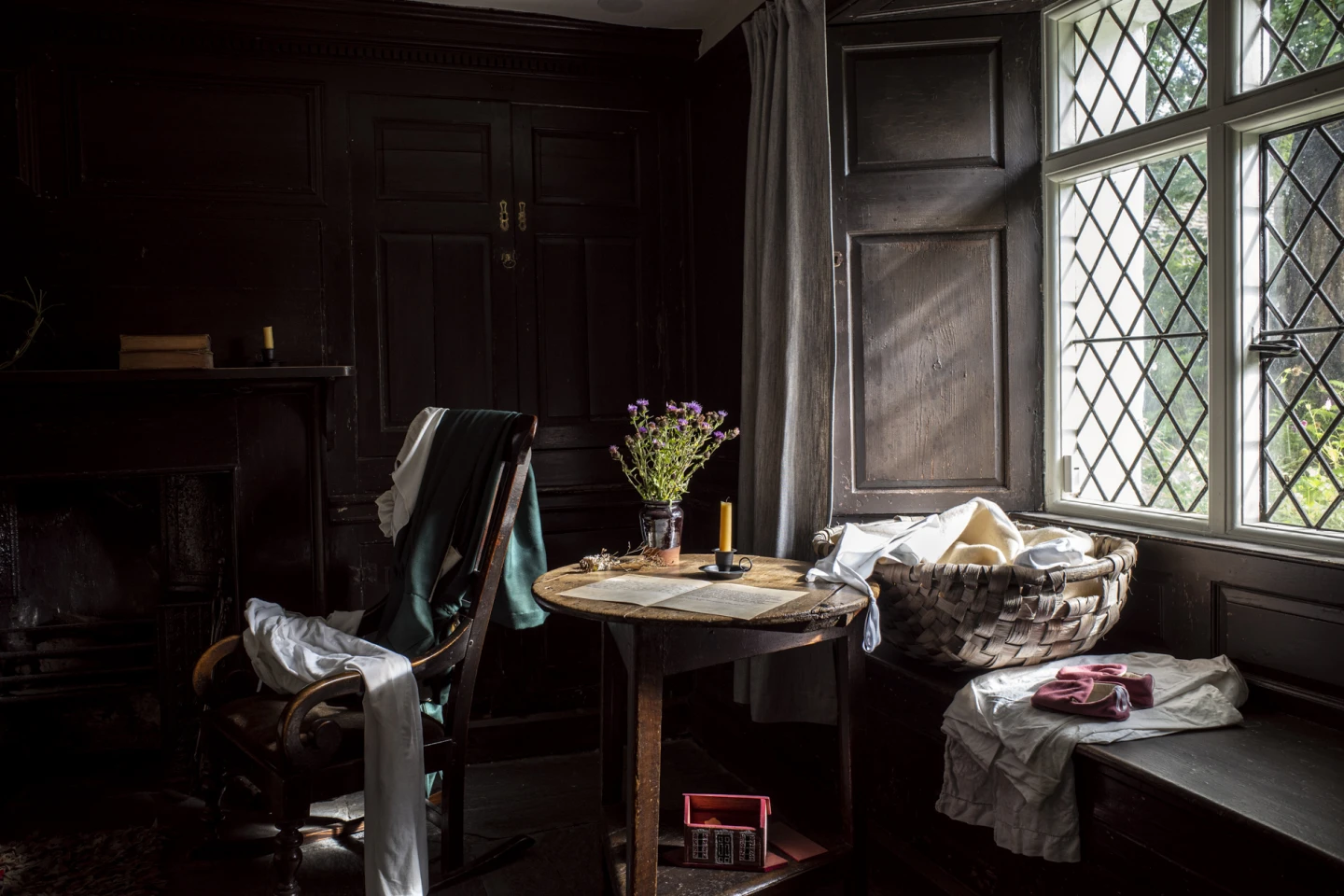
At Nissen Richards Studio, we often work with sound designer Carolyn Downing, an award winning designer who works primarily in theatre. For example, she collaborated with us on Wordsworth Grasmere to create a theatrical experience through Dove Cottage. Rather than introducing sounds into the room that clearly were not there, she instead composed faint sounds and snippets of conversation that felt as though they were drifting in from another room, helping to create a greater sense of authenticity.
Another successful example was the recent Samurai exhibition at the British Museum. Distant sounds of fighting and horses created an atmospheric backdrop that remained subtle enough not to overwhelm the exhibition. Because the soundscape was restrained and textural, light sound bleed between spaces didn’t feel intrusive.
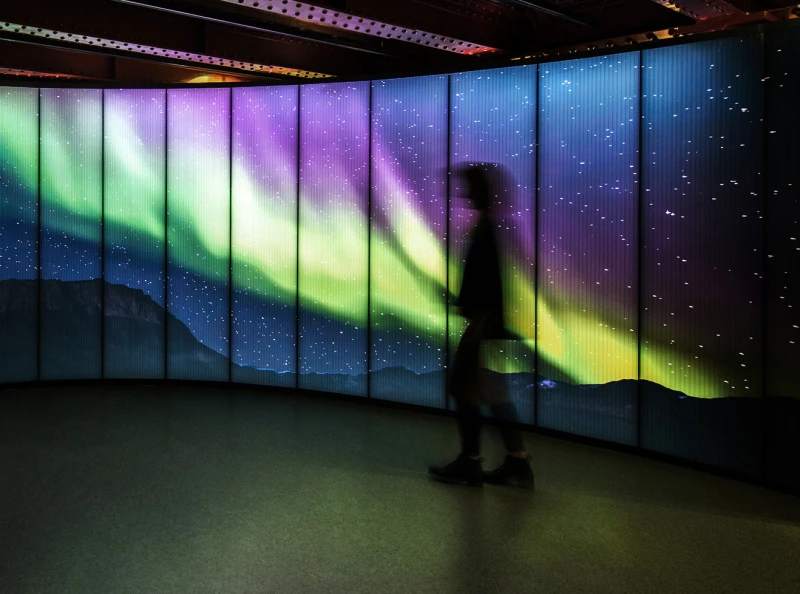
Where sound sits within a contained space or is structured as a timed experience, it offers an opportunity to be more experimental and overt, embracing narrative storytelling through sound. For example, in 'Goya and Munch: Modern Prophecies' at MUNCH Museum, Nissen Richards Studio collaborated with Carolyn Downing to create ambient soundscapes that encouraged reflection. Rather than competing with the artworks on display, they were contained within immersive transition spaces between themes that encouraged pause and reflection on the stories being told.
Soundscapes in museums succeed when they are carefully tuned to their environment - aware of bleed, repetition, and competing audio. Without that care, even the most evocative material can quickly become noise.
Audio Tours
I like an audio tour. I appreciate the freedom it gives me to fully focus on an object, work of art or historic setting whilst learning about it. Otherwise I sometimes feel that I am spending more time reading interpretative text than engaging with what I have come to see.
However, I often hear people express dislike for audio tours. In part due to their prescriptive nature, but also because many are executed badly. In an age where podcasts are so successful, it seems surprising that audio guides are not more consistently engaging. Of course, audio tours do not allow for shared experiences, so they are not suitable for every visitor experience and should always remain a choice. But when done well, I think they can become far more than simply an accessibility tool or a supplementary layer of interpretation.
I have listened to my fair share of underwhelming audio guides. For example, the catacombs in Paris had some incredibly interesting content with the potential to be visceral - such as a story about the collapse of a cemetery wall, spilling remains into a neighbouring property - but it was delivered in a factual, didactic monotone that almost sent you to sleep. I expect many people stopped listening. It felt like a missed opportunity in such a dramatic space.
Comparatively, the audio guide at Alcatraz in San Francisco was truly inspired. As you walked through the prison, you stepped into the story alongside inmates from the past. Through the use of binaural sound, a riot erupts in the balcony above before surrounding you. In a solitary cell, you hear the death of a prisoner as his breathing intensifies. I have also encountered excellent audio tours in art galleries, such as a Kandinsky exhibition at the Guggenheim, where the jazz that inspired the paintings accompanies you.
In short, audio guides have the potential to truly enrich an experience when done well. They provide opportunity to introduce drama and atmosphere through emotive narration, acting, scripts and sound design.
And of course an audio guide comes with the additional benefit that you can pause it or simply turn it off, or choose to experience an exhibition without sound at all if you so wish.
Music
Years ago I started to watch the horror film The Shining with a friend. In the opening credits, a car drives along a winding road through a pine forest - a seemingly innocent scene. But we didn’t make it any further. The sinister music was enough to scare us into turning it off. For me, this perfectly illustrates the emotional and narrative power of music. A film score or carefully chosen soundtrack can make a film. Think of iconic soundtracks such as Pulp Fiction, Romeo and Juliet or Trainspotting.
As someone who loves electronic music, I can also attest to the magic of a carefully curated DJ set. A talented DJ is able to create a narrative journey from start to finish - conjuring landscapes, building tension, evoking emotion, creating connections, and compelling the body to move. Interestingly, both the creator of immersive theatre company Punchdrunk and the sound designer he collaborated with are also DJs. They understand the importance of the right track and talk about the audience physically “stepping into the record”.
This same technique can be used powerfully in museums, but it is important to get it right. When I visited a digital exhibition at Atelier des Lumières bringing Vincent van Gogh’s paintings to life, the orchestral music felt like an add-on rather than a carefully composed soundtrack responding to the movement and atmosphere of the visuals. It seemed a missed opportunity to create something truly in harmony and therefore more moving.
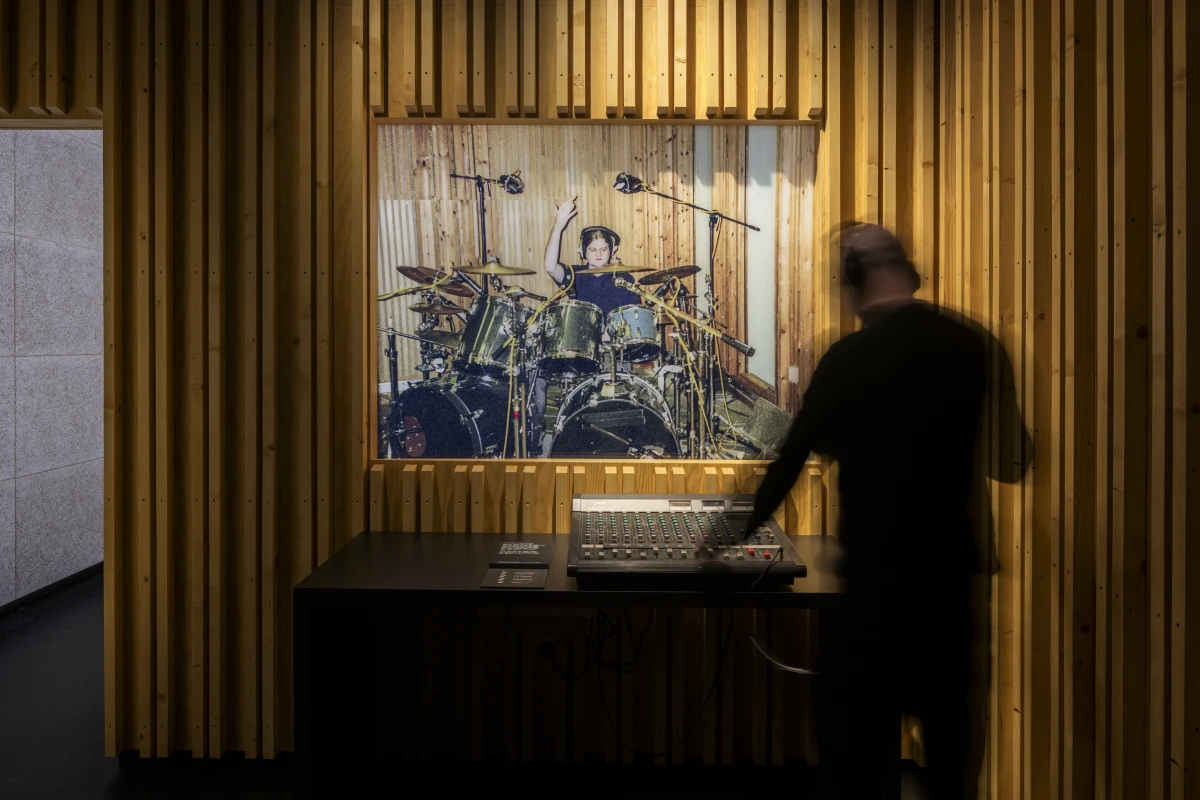
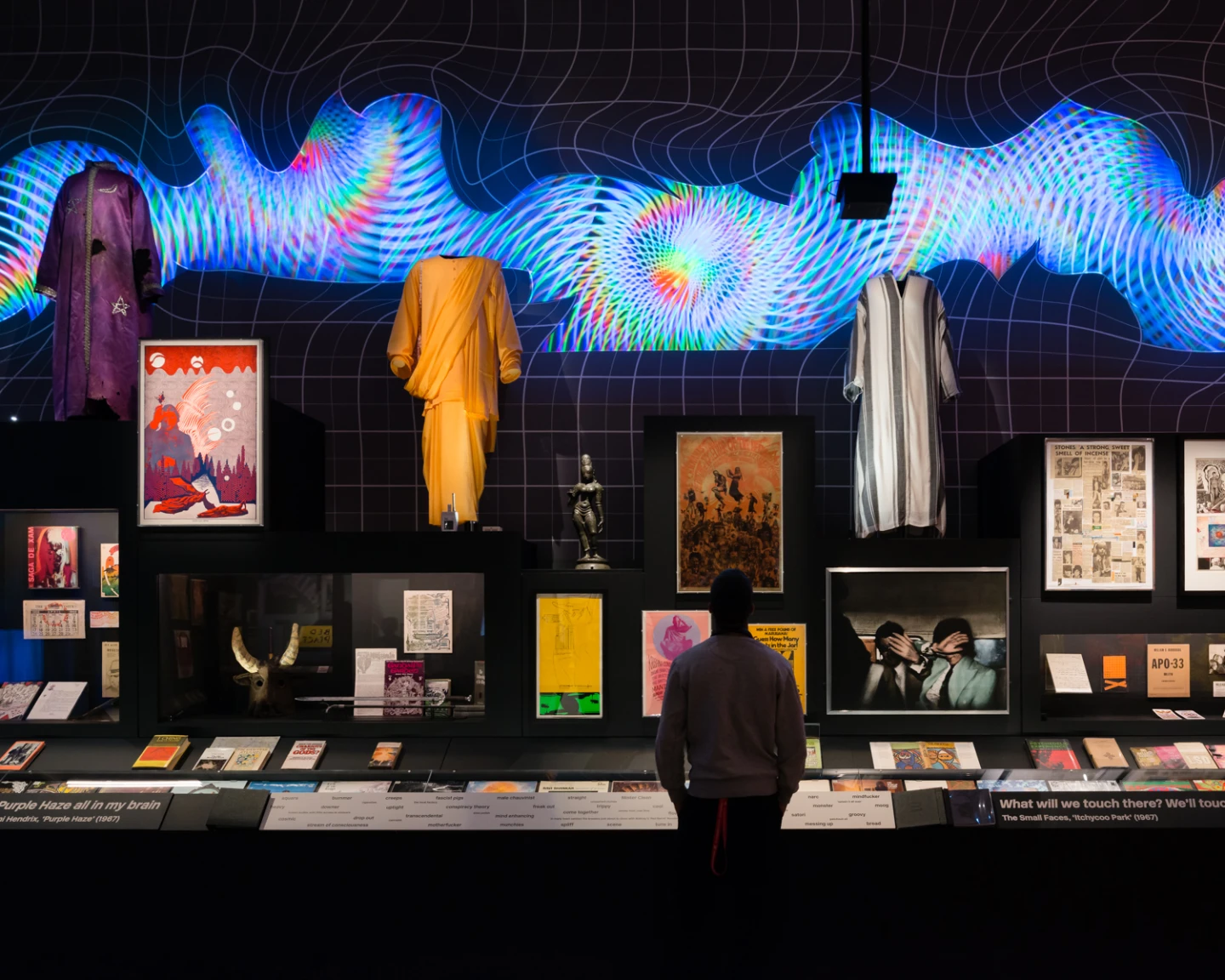
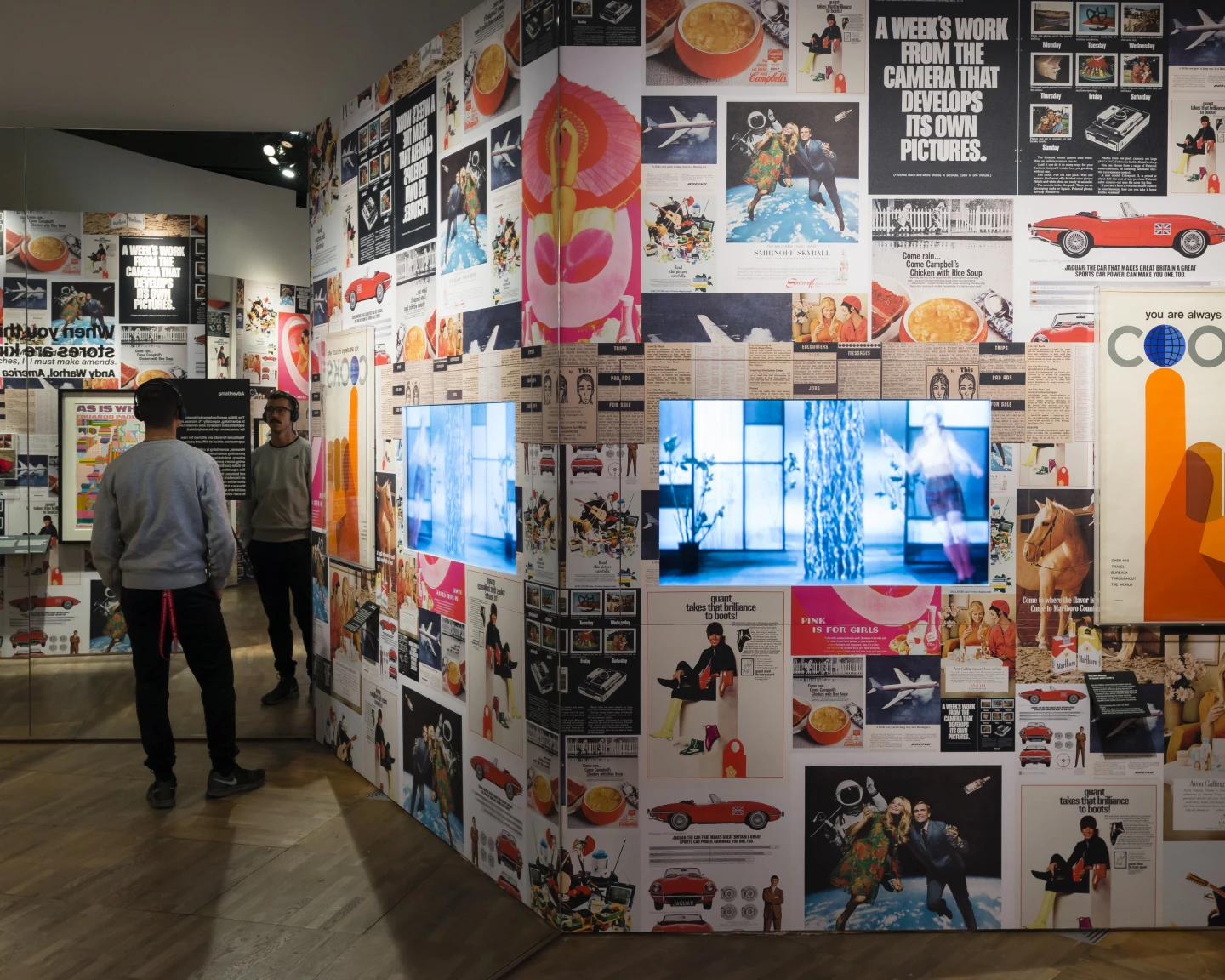
By contrast, for the exhibition 'You Say You Want a Revolution? Records and Rebels 1966–1970', designed by Nissen Richards Studio for the Victoria and Albert Museum, a nostalgic soundtrack accompanied visitors through headphones that shifted from space to space, transporting them back to the 1970s. The creator of Punchdrunk described the soundtrack for The Burnt City as an opportunity “to create the world before it was physically built”. This idea, that sound might come first, is perhaps something museums should consider more seriously.
Should museums be collaborating more regularly with musical artists, composers, producers and DJs? Is there a place within larger institutions for someone dedicated specifically to sound and music, just as museums employ interpretation specialists, curators and designers?
The Future of Sound in Museums
Technology is constantly evolving, allowing not only for higher quality sound but also entirely new forms of interpretation. Augmented reality can trigger location-based audio as visitors move through a space, while spatial audio creates a greater sense of immersion by replicating real-life environments. The use of AI could provide more personalised audio experiences, or even conversational interactions - such as speaking directly with a historical figure or statue.
Other ideas might include a sound takeover - a dedicated day of audio performances unfolding through different museum spaces, or a soundproofed room in a museum devoted entirely to listening, where experiences might range from archival recordings to shared sound-making experiences.
However, as exciting as these new possibilities are, many museums operate within tight budgets. Even where new technologies are affordable, the time and expertise required to create meaningful content using these technologies often are not. Sometimes, therefore, the simplest approaches can be the most effective.
The amount of sound used in a museum should reflect the budget available to create impactful auditory experiences. Sometimes a small number of carefully crafted auditory moments can be more powerful than a museum filled with poorly considered sound.
When approached thoughtfully, sound can profoundly enhance the museum experience. It should be considered from the earliest stages of a project, alongside the visual and physical environment, with generous time allocated to its development. It also requires the right people for the job - not only those with a museum background, but sound artists, sound designers for film and theatre, playwrights and actors, music producers, composers, and perhaps even DJs. Sound design should be built into all spaces; sometimes it becomes the focus of a room or experience, while at other times silence is the more powerful choice.
When sound is composed with curatorial care, it encourages us to pay closer attention. Just as we might spend time looking at the details and intricacies of a painting and gain a richer experience from it, careful listening can reveal subtle layers or emotional textures that deepen our engagement.
If it is true that we have learnt to tune noise out, perhaps museums could become places that teach us to listen again. Intentional sound encourages intentional listening.
The Author