The Three Inherent Flaws of the Museum
How the Sainsbury Centre is challenging the conceptual foundation of the museum with a “radically alternative approach”.
Museum Wonder
Museums are wonderful. I have been lucky enough to enjoy the most blessed life working in museums all over the world over the last thirty years. BUT…
… the longer I spent working in the museum world, the more a nagging feeling grew inside me that perhaps the whole museum concept had got off on the wrong foot when they were first created during the enlightenment in Europe. Perhaps those foundations and legal structures of what a museum is, now restricts their ability to do justice by their collections and adapt to a transforming world in the 21st century.
This nagging feeling grew into an obsession. The more I thought about it, the more I believed that nearly all the problems facing the modern museum emerge from the foundational principles of why they exist. This made me think about what an alternative model for a museum might look like, and if it would be possible to put it into action.
So when the job came up as Director of the Sainsbury Centre six years ago, one of the best art museums in the UK, the opportunity to try and put that alternative model into action became a distant possibility. This is because the Sainsbury Centre was a properly radical museum when it was first created in the 1970s. Frustrated by the conventional approach to art and museums in the UK, Sir Robert and Lady Lisa Sainsbury, the founders of the Sainsbury Centre, had lunch with Knut Jensen - the founder of the Louisiana Museum in Denmark in the early 1970s. Wondering what to do with their collection, Knut gave them perhaps the best piece of advice for someone wanting to create a radically different museum - advice they followed to the letter. He advised: “Do what I have done, just build your own museum, and the secret to creating a great art museum is don’t talk to anyone who works in the art and museum world when you are building it!”.
Therefore the Sainsbury Centre board were one of the only interview panels where you could say “I have a totally radical idea for the world of museums, you should give it a go here, because this place was genuinely radical in the 1970s and we should take those radical principles and reinvigorate them in the 21st century”. They hired me and over the last five years we have all made a genuine attempt to create a different type of museum.
So what are the problems with the original museum construct which require the model to be changed?
Museum Problem
The founding problem of the museum is that the collection is understood as property. Going back to Sir Hans Sloane’s will in AD 1753, and replicated by all others, the objects are legally classed as property. A museum is established with trustees and staff whose job it is to preserve, protect and make this property accessible to the public. This is of course great, and I love museums, but this conceptual and legal starting point has three inherent and fatal flaws that can never be overcome.
The first problem is that any member of the public wanting to enter the physical museum understands they are getting privileged access to someone else’s property. The visitor knows there is an authority providing their access, with an (often-intimidating) framework of interpretation inside.
This threshold of authority, of expected intellectual behaviour, creates a barrier most people don’t want to cross. It is why most people in the UK don’t go into museums, as they feel it is not their comfortable space to explore.
The second problem is that if property and legal ownership is the starting point for why the museum exists, how do you justify owning ‘other people’s’ property? The objects in Sir Hans Sloane’s collection, as with many other museums, have a complexity of contested ownership that no simple receipt of legal purchase can ever solve. Therefore, this is a terrible place to start the reasoning for why you exist, as ownership is an argument that can’t always be won.
The third, and in someways, most important problem, is that this property-based museum model treats art and material culture as a commodity. As a cultural object owned by the institution, that a visitor can look at and learn about through the interpretation of the institution.
This objectification and reflective knowledge framework denies the emotional essence of what art and material culture actually are. Not a passive, objectified reflection of cultural change, but an activating subjective force of social dynamism.
For these three reasons, I wanted to see if it was possible to create a different institutional foundation to the museum, with a divergent theoretical construct and radically alternative approach to visitor experience.
If art and material culture aren’t property – what are they? The starting point of the museum must come from a different place.
Essentially, I think the empirical and classificatory foundations of knowledge created in the enlightenment have denied the emotional realities of what art and material culture really are. Despite 250 years of the brightest minds working ever since Descartes and Rousseau, we still haven’t found the definitive answer to understanding the essence of the human soul and the meaning of our existence. Far from it, we often feel further away than ever.
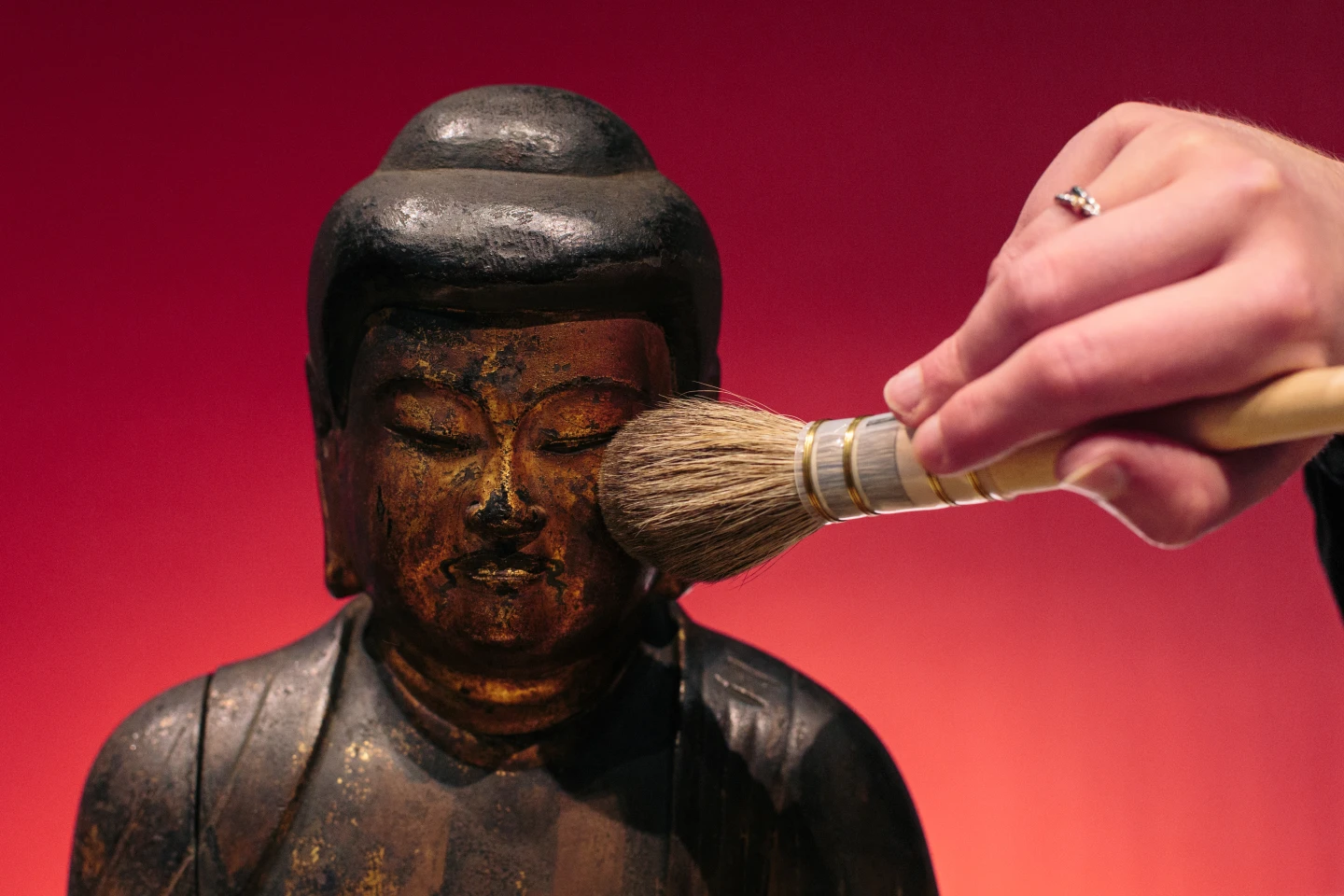
I believe we need a different approach. I think art is a materialisation of the magic of what it means to be human. Great artists, makers and creators channel the mysterious essence of human lifeforce and literally materialise an aspect of human existence into an animate form. At this moment of creation of an artwork, anima transfers and creates a living being. A life. Materialised in an alternative body to a human body but no less human as a result. Artworks are living beings; therefore museums are homes which need to understand their collections as lifeforces, and their role is to give them their best lives.
Museum Transformation
With the support of the most risk tolerant board imaginable and an inspirationally talented staff collective, it took a year to formally rewrite the rulebook of our museum and create a new governance legislation. In 2023, we became the first museum I know of in the UK whose primary job is not to preserve, protect and make accessible to the public the property of the museum, but instead, to understand the collection as living entities. Our responsibility is to give these artworks their best lives, wherever that may lead.
Every visitor to our museum is told at the front desk, “we understand artworks are living beings and you are here to meet them much more like you would another human being than an inanimate object. We have created a whole series of ways to facilitate this new relationship for you, so please make the most of the digital, analogue or experiential pathways we have created to help you along your journey today”.
As humans, we operate in living landscapes of connection, but due to the empirical inheritances of the past, our relationship with artworks and what they can do to inspire, sculpt and form who we are has been repressed for too long. This relationship needs to be transformed within the museum space, because unlike humans, artworks can be trusted.
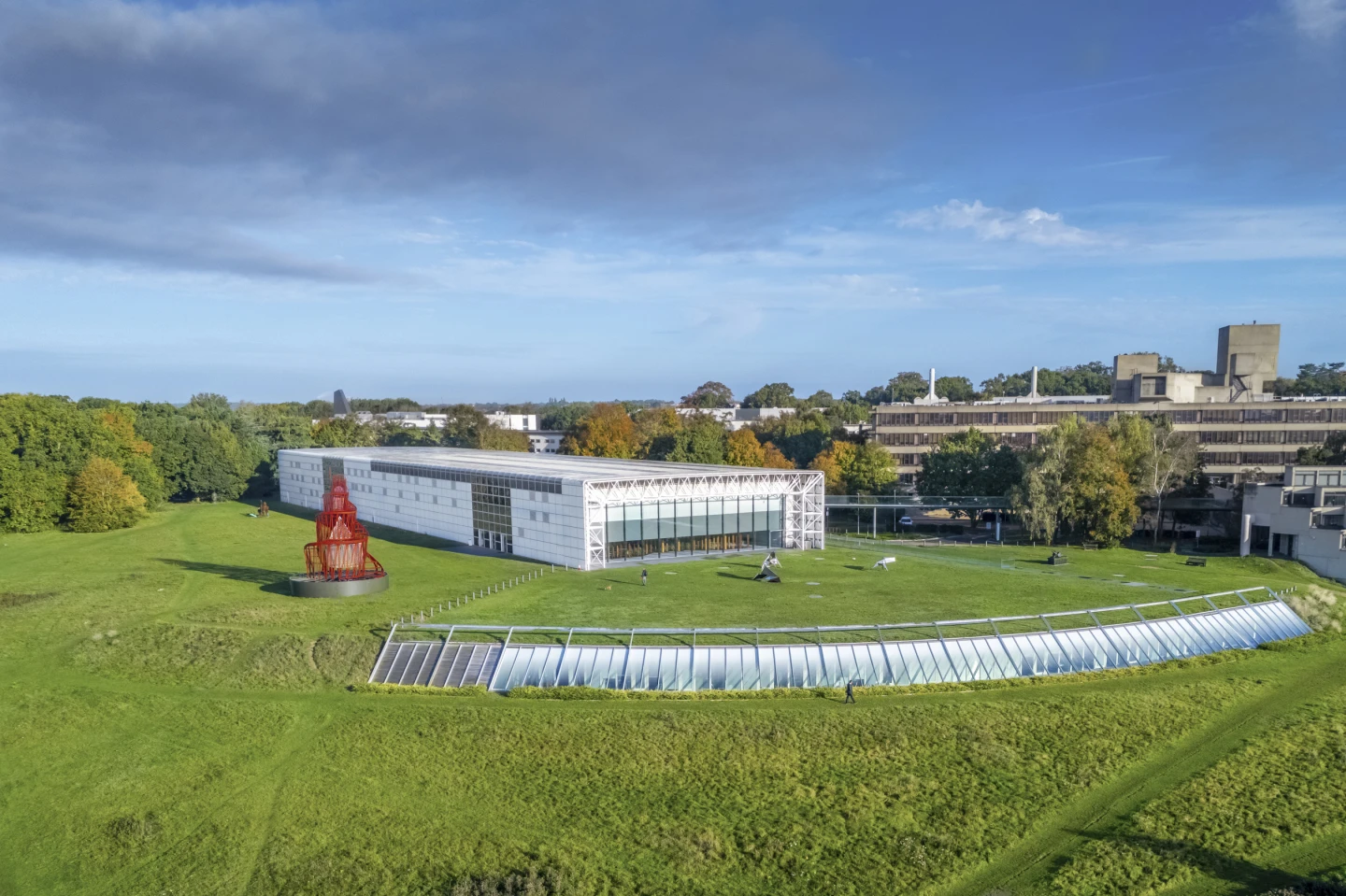
The Sainsbury Centre is home to some of the greatest artworks in the world, Tate Modern meets British Museum, all within one spectacular Norman Foster designed house. All the artworks are displayed on an equal platform across time and space, based on the nature of their potential human relationship, rather than any art historical or anthropological classification. Polynesian fishhook opposite Picasso portrait, Magdalene Odundo ceramic reflecting light of the torso of a stone Angkor figure.
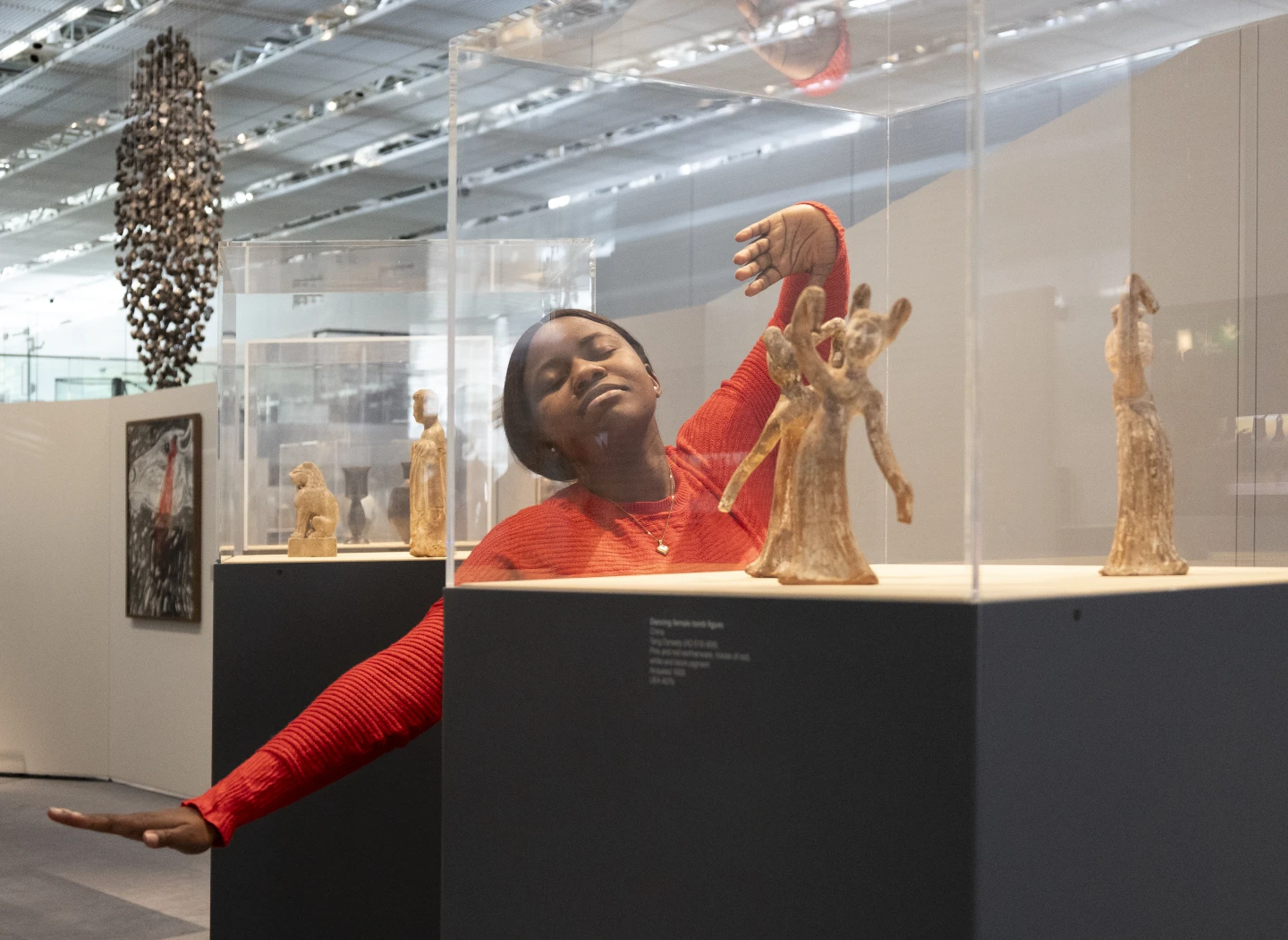
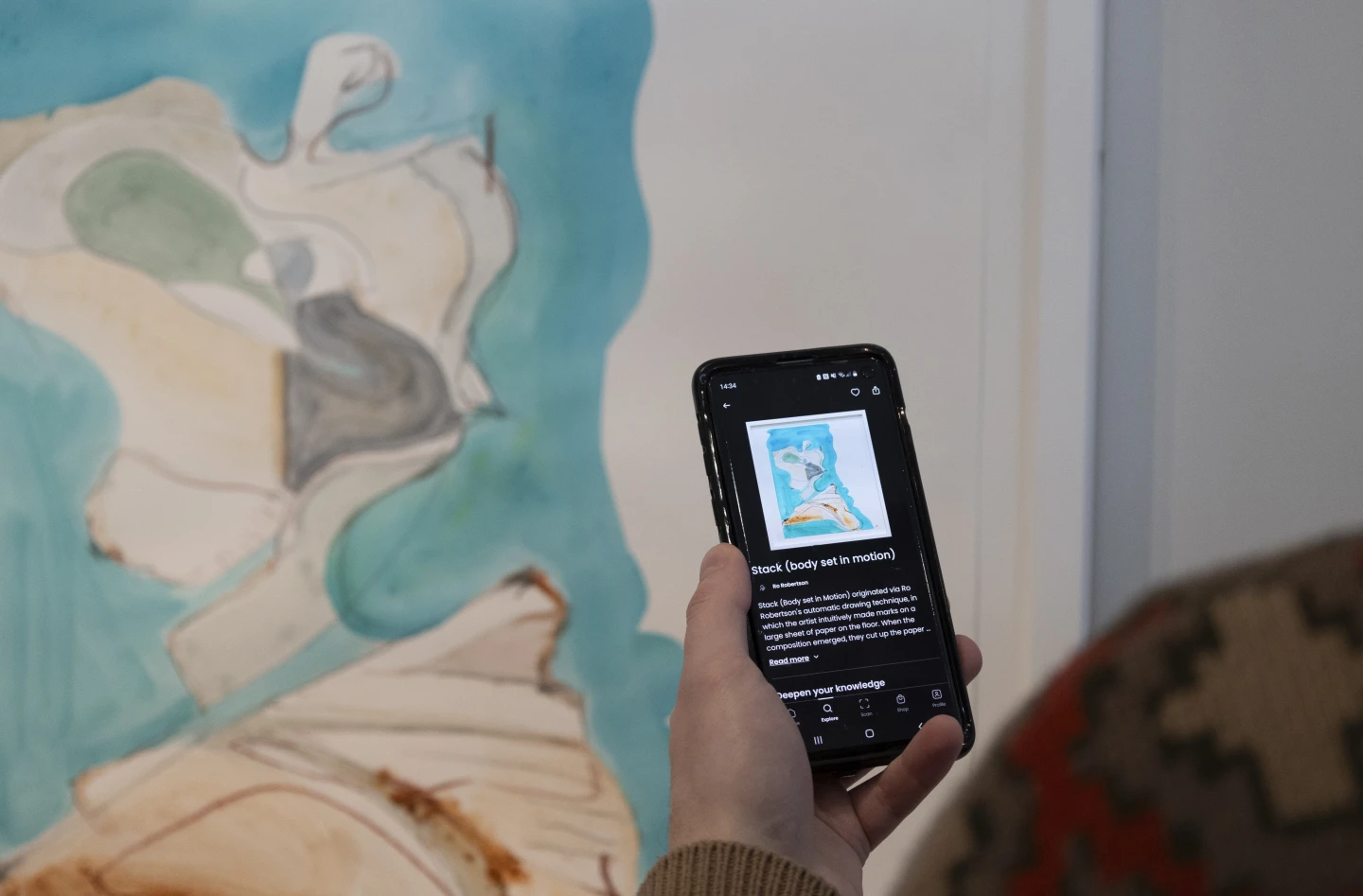
As visitors walk through this living landscape of human lifeforce, they can lift up their phone to recognise artworks and instantly tell them their life story if they want to get to know them better. If they feel comfortable, visitors are encouraged to build those relationships meaningfully. Listen to the sound of the Maori taonga puorois being played and connect with every other person who has heard this sound. Embrace the emotional stickiness of art. Close your eyes and run your hand down the back of Henry Moore’s Mother and Child and feel the security and protection you have when held inside someone else’s arms. Move your hips and arms with the Tang dynasty ceramic figures and feel the kinetic energy of human movement alive today, despite spanning 1500 years since they were created. Step inside the glass exhibition case and close the door, look at all the artworks ex-case looking at you, making you feel objectified and judged. Lie down on the chaise longue under the Alberto Giacometti portrait of his brother, Diego, and tell the painting a secret you would never tell another human being, because unlike people, you can trust a painting to hold that secret.
The Sainsbury Centre is a museum where you can be honest and open, you can trust these living artworks with what you really think and feel, you can explore the most fundamental questions you have in your life and reflect upon their answers.
Art is life, and great art is a relationship. When you invest in it, it gives you more in return. The living artworks in the Sainsbury Centre are the relationships that provide the inspiration, the ideas, the imagination to help people answer the deepest questions they have in their lives. A dynamic living landscape of human relationships just waiting to be made.
This is what makes the best museums in the world and why I love the Sainsbury Centre so much.
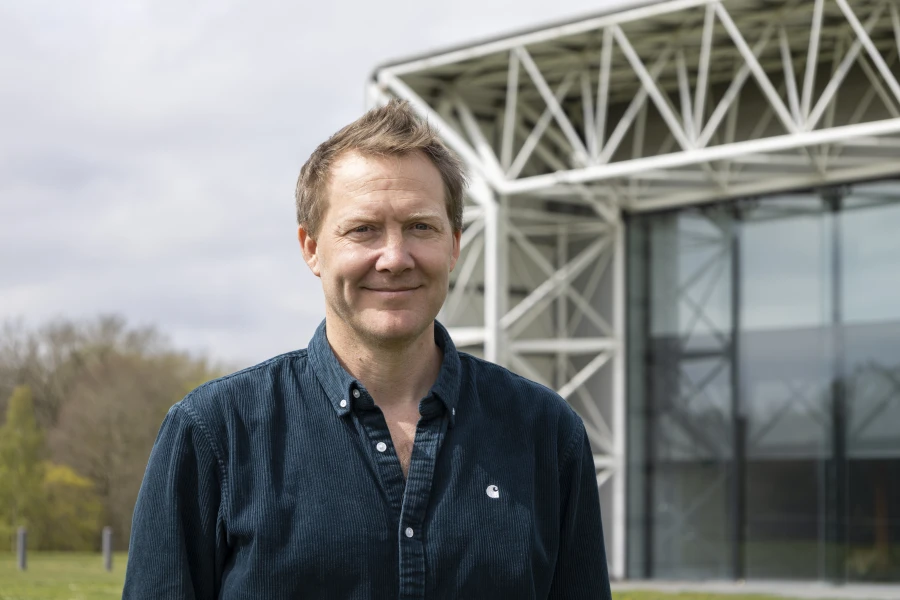
The Author
Related:
A New Museum Typology: Flexibility First
The Future of the Museum is…Public?
Art, Architecture and Culture - A Conversation with Rachel Whiteread
From Place to Platform: Decentralising the Museum
The Future of the Museum is...Performance
Reinterpreting Interpretation: What Can Challenge the Text Takeover?